The stars performed a medley of late singer's biggest hits, joined by up-and-coming U.K. artists Meek and Saint Harison
By
September 27, 2026
Sombr, Raye Teddy Swims, Raye, and surprise guest Adam Lambert put on their best leather to celebrate the legacy of George Michael with a medley of songs at the MTV Video Music Awards on Sunday night.
… %!s()
Sombr, who was wearing George Michael’s own jacket, took on “Faith” and “Father Figure,” Raye sang “Knew You Were Waiting,” Teddy Swims tackled “Careless Whisper,” and Adam Lambert finished the performance off with “Freedom 90,” joined by young U.K. singers Meek and Saint Harison.
The tribute to the singer, who died a decade ago on Christmas, commemorates the upcoming 40th anniversary of his 1987 blockbuster debut solo album, Faith. It also coincides with The Faith Tour, a live album out Nov. 6, and a feature-length film, George Michael: The Faith Tour, which will open in cinemas around the world on Dec. 11.
Michael was a VMAs favorite, earning four Moon Persons in his lifetime. He was nominated 16 times and he notably won Best Direction in a Video for co-directing “Father Figure” with Andy Morahan. Madonna, who made her return to perform on the VMAs stage for the first time in 23 years on Sunday, presented him with the Video Vanguard Award back in 1989.
Trending Stories
It was Raye’s second performance She was nominated twice this year, including in the Song of the Year category for “Where Is My Husband!” Sombr’s appearance coincided with three VMA nominations. Swims was not nominated for any 2026 VMAs but will release a new album, Ugly, in January. Adam Blackstone, who put together Dr. Dre’s and Rihanna’s Super Bowl halftime shows, among others, served as music director for the George Michael tribute.
The Snoop Dogg-hosted VMAs, which also included a Dolly Parton tribute, aired on CBS and MTV. If you missed it, the whole show will also be available to stream on Paramount+. %!s()
The penultimate episode of HBO’s Lanterns sees the core duo of John Stewart (Aaron Pierre) and Hal Jordan (Kyle Chandler) reunite in the strangest way imaginable. Now that we’re squarely in the present day, the mystery has shifted from the secret identity of Manhunter to who killed the real Hal Jordan. To help with the investigation, John takes Hal’s Green Lantern ring at the end of episode 6 (after digging up the casket, of course) so he can manifest the Hal-ogram, a backup of Hal’s consciousness from 2006, stored within the ring.
… %!s()
Since this is the last episode before the finale, Lanterns delivers some pretty big moments, including a shocking cliffhanger at the end — and it also solves a mystery that didn’t really need to be solved at all.
Note: Major spoilers follow for Lanterns season 1, episode 7.
What is inside Hal Jordan’s vault?
Episode 6 revealed that Hal rented a storage unit in Rushville. Inside is a large alien vault similar to the one he used to store his lantern at his mansion. John and Kerry (Kelly Macdonald) aren’t able to open it since it requires that Hal identify himself aloud. A voicemail recording on Kerry’s phone can’t fool it, which is why John tricked Guy Gardner (Nathan Fillion) into having Hal buried with his uniform and ring — all so John could dig up the body and retrieve the ring.
The Hal-ogram agrees to open the vault, but only if John lets him meet Kerry first. Inside the vault they find very little: a bag packed with supplies, including a handgun and a canteen, along with one of the black spheres we’ve seen throughout the season that can create portals. John describes the supplies as “stuff for a hike.” But considering the flashbacks we see during this episode, the idea of a “Jordan boy” having some kind of safe he leaves behind after his death takes on a whole new meaning.
Image: HBO
Episode 7 opens in 1975. A young Hal gets into trouble after refusing to surrender the ball during a baseball game, forcing a forfeit for his team. He’s sitting in a classroom clutching the ball when his father, Martin Jordan, arrives. Martin promptly gets into a fight with the coach while defending his son.
Afterward, Martin gives Hal a strange key. He explains that before Hal’s grandfather left to fly in a war, he placed money, keepsakes, and other private items inside a safe and gave Martin the key to this “failsafe.” Martin now passes his own key to Hal, describing it as part of the Jordan family legacy. The episode initially presents this like a tradition among military men preparing for the possibility that they might not return home.
Much later in the episode, however, Hal reveals the painful truth: Martin gave Hal the key several months before dying by suicide. Inside the safe, Hal found money, coins, photographs, and a note explaining that his father had lived with worsening pain and believed his family would be better off without him. Hal’s grandfather also died by suicide.
“It’s the same pain passed down generation to generation,” Hal says, explaining what Martin really meant by the “Jordan boys’ legacy.” Hal’s storage unit feels particularly grim given that extra context.
Because the Hal-ogram is wary of Kerry, he and John bring the portal to the old water tower in town and open it there, proceeding through it to an alien planet.
What alien planet do John and the Hal-ogram visit?
Image: HBO Max
On the other side of the portal, John and the Hal-ogram find a flat desert littered with bones. An enormous abandoned city hangs in the sky, while a distant island and lighthouse appear to be the only structures still accessible from the ground. John experiences déjà vu because he has effectively been there before.
The episode never gives us the planet’s name, but John confirms that it’s the destroyed homeworld of Antaan (Paul Ben-Victor). Back in episode 2, when John is abducted by Antaan’s henchmen, they use some kind of alien device to inject John with the memories of the dying alien civilzation.
“We weren’t the only ones looking for a Manhunter,” John explains to the Hal-ogram. “I got grabbed by this guy Antaan. He told me he was the last of his kind. I didn’t believe him, so he injected me with his people’s experience, and I felt it. Like it happened to me.”
John remembers being inside a city as gas spread through it. Anyone who breathed the substance became so frightened that they attacked one another, killed themselves, or leaped to their deaths. At the time, John did not understand why so many people were falling.
“I just didn’t know the city was in the sky,” he says. “I didn’t understand why they were jumping. Now I know.”
Image: HBO
The shapeshifting Manhunter took the form of Zoe (Poorna Jagannathan) on Earth. Antaan revealed in episode 5, however, that before that they were in a romantic relationship and failed to conceive a child. (This would have been sometime before 1996, when Abin Sur crashed on Earth with the Manhunter and the Green Lantern ring found Hal.) Because Antaan blames the Manhunter for the genocide of his people — and because Zoe herself admitted to John that her programming compelled her to do it — we’re led to believe that she somehow orchestrated this gas.
Traces of that substance remain in the planet’s clouds and water. While John and the Hal-ogram cross the lake on what looks like a man-made boat, a storm causes John to hallucinate. He sees his abusive father and his younger self, both accusing him of being afraid. When John falls into the water, the Hal-ogram manifests and pulls him back on the boat, saving his life.
The greater mystery here is why Hal maintained a private portal to this planet. Was he investigating the destruction of Antaan’s people before the Rushville incident? Or did he begin sometime after he got out of jail? Whatever the explanation, John and the Hal-ogram are surprised when they get to the island and find Sinestro trapped there inside a building appears to be emitting the gas into the atmosphere.
How did Sinestro get to Antaan’s planet?
Image: HBO
Back in episode 6, Guy Gardner (Nathan Fillion) told John that someone had broken Sinestro out of “Spacekaban” (Space Azkaban), the extraterrestrial prison where Hal visited him earlier in the series. Now we know that he ended up stranded on Antaan’s dead world. Since Hal had easy access to the portal, does that mean he’s responsible for breaking Sinestro out? If so, why?
Sinestro knew more than Hal about the Manhunters and the Guardians’ buried crimes in 2016, so it’s possible Hal did this so he could learn more about everything. But that doesn’t explain why Sinestro would grab someone who looked like Hal and hold them at knifepoint.
For now, episode 7 establishes a compelling chain of connections: Someone freed Sinestro, Hal maintained a secret route to his hiding place, and Hal was murdered by someone a few months after returning to Rushville. Sinestro may not have pulled the trigger, but he might know why Hal died. %!s()
Lead Weather PresenterReporting fromBBC Weather Centre
…%!s()
A vast area of low pressure in the Atlantic is set to draw warm south to south-easterly winds across the UK early this week, but for some rain will not be far behind.
Tuesday looks as if it will be the warmest day and after that temperatures will generally return closer to the September average.
Much of the UK can also expect a spell of wetter and windier weather from the approaching depression, with the most unsettled conditions likely to affect Scotland, Northern Ireland and western parts of England and Wales.
However, many central, southern and eastern areas of England, which have been affected by drought, may see far less rain.
Image source, BBC Weather
Image caption,
Warm southerly winds ahead of Atlantic weather fronts
Autumnal weather setting in
Last week saw the autumn equinox, so our nights are now longer than our days.
This means that despite the warmth in the September sun, we are getting some cooler nights under clear skies.
So it will be notably chilly on Monday morning, perhaps with some fog patches to be aware of for the commute.
Once the fog clears a brighter day will follow for many, with high pressure allowing sunny spells and just a few scattered showers.
South-east England may see some welcome rain throughout the afternoon and evening, but it is by no means guaranteed. Temperatures will range from the mid to high teens, with some southern areas reaching 20C.
Image source, BBC Weather
Image caption,
The weather outlook for the week ahead
On Tuesday a strengthening southerly wind will bring a much warmer day.
Temperatures in the high teens are forecast in Scotland and Northern Ireland, and between 20 to 26 C for England and Wales.
However rain will move into Northern Ireland during the afternoon and then trek slowly eastwards throughout the evening and night. It may become persistent and occasionally heavy, with strong winds and gales for exposed coasts and hills.
Further east, drier and brighter conditions may remain before the rain arrives on Wednesday - it could possibly linger overnight.
Behind the rain it is back to sunny spells and scattered showers, and still windy in the west on Wednesday.
By Thursday, we are expecting high pressure to build, so it should be calmer and drier, and by Friday the north-west becomes the focus for any showers.
Of course the caveat is that forecast details may change, so you can stay up-to-date with the short term forecast for your area here.
Warmth continues but rain misses driest regions
Image source, BBC Weather
Image caption,
Rainfall so far this September compared to the average
Following the UK's hottest summer on record, September has been another notably warm month for many.
But it has also highlighted a stark north-west to south-east contrast.
While Scotland and other western areas have seen frequent Atlantic weather systems bearing rain and wind, much of central, southern and eastern England has remained largely dry with plenty of sunshine.
As a result, rainfall totals have varied dramatically.
Some drought-affected parts of England have received very little, while parts of north-west Scotland have been very wet.
Some parts - including Kirkwall and Prestwick - have already had nearly one-and-a-half times their average September rainfall. At Achnagart in the Highlands, rain has been recorded every day for the past 27 days.
Parts of Northern Ireland and Wales have had their average rainfall, whilst north-east England has seen some of the lowest amounts so far. %!s()
She also won the VMA for Best Dance, inviting presenters Charli XCX and Troye Sivan to her side
By
September 27, 2026
Madonna took home the Moon Person for Artist of the Year at the 2026 MTV Video Music Awards, beating out nominees Ariana Grande, Bruno Mars, Morgan Wallen, Sabrina Carpenter, and Taylor Swift. Later, she won the VMA for Best Dance for “Confessions II – The Film.”
… %!s()
“First of all, I would like to thank my fingers because I can always count on them,” Madonna joked before launching into an anecdote about her debut at the very first VMAs, hosted back in 1984. “I had a little problem with my shoes … and I dove onto the stage to try to make myself look cute and sexy and like I meant to do it,” she said. “I went backstage feeling really proud of myself and my manager told me that my career was over.”
She continued in her Artist of the Year speech: “I spent the last year-and-a-half finding myself, believing in myself and really making the music I wanted to make … My hope for all of you here tonight is that you spend the next year or the next 10 years or the rest of your life doing the same.” She also thanked long-time confidant and producer Stuart Price, calling him her “ride or die.”
“Who knew that 20 years after Confessions[on a Dancefloor] we could pull it off again [with Confessions II]?”
It was a winning night for Madonna, who later in the evening came onstage to accept the Moon Person for Best Dance, which was doled out regularly for decades beginning in 1989, but hasn’t been awarded since 2019. She invited presenters Charli XCX and Troye Sivan to her side as she gave her speech after making a joke about having a laser somewhere NSFW didn’t land with the audience. “I want to thank [Confessions II – The Film director] Torso for going on this adventure with me,” she said. “I came to New York to be a dancer and dance is where everything happened for me in my life.”
“I came to life on the dance floor, I fell in love with people on the dance floor, and I lost many people I loved on the dance floor,” she continued, “[And] dance brings everybody together. We’re all equal on the dance floor.”
The award helps cement a major VMAs year for Madonna, who came into the show leading all nominees with 13. While most of them were for the short film she made for her celebrated new album, Confessions II, the Sabrina Carpenter-featuring “Bring Your Love” also won Best Collaboration.
Trending Stories
Earlier in the evening, Madonna opened the VMAs with a massive performance of “Bring Your Love” and “Danceteria,” which included cameos from Carpenter, Charli XCX, Sombr, Julia Garner, Debi Mazur, Seth Rogan, Andrew Watt, and Fab Five Freddy.
Hosted by Snoop Dogg, the 2026 MTV Video Music Awards are airing live on CBS and MTV, and livestreaming on Paramount+ (Premium) on Sunday from Peacock Theater in Los Angeles. See the complete winners list. %!s()
Chuck D gave Dave Grohl, Krist Novoselic, and Pat Smear the Video Vanguard Award for Nirvana's legacy, but they didn't play any music
By
September 27, 2026
Public Enemy’s Chuck D presented the surviving members of Nirvana — Dave Grohl, Krist Novoselic, and Pat Smear — with MTV‘s Video Vanguard Award on Sunday. Only Novoselic spoke, and there was no performance. “I don’t think there’s ever been a band exactly like Nirvana,” Chuck D said in his speech.
… %!s()
“This award brings back so many memories of making those videos,” Novoselic said. “The ideas for those videos all grew out of the vision of one of the greatest artists of all time, Kurt Cobain. Kurt was one of one … Nirvana continues to resonate so deeply because people are still hungry for authenticity. Or something real, something uncompromising. something that tells you it’s OK to come as you are. Kurt would have loved that legacy.”
MTV announced the band was receiving the award on the 34th anniversary of Nirvana’s unforgettable performance of Nevermind’s “Lithium” at the 1992 VMAs, when Kurt Cobain also teased the opening chords to the then-unreleased In Utero song, “Rape Me,” apparently to irritate network censors. The Video Vanguard Award recognizes artists’ legacies as music video innovators.
Nirvana filmed seven music videos, including memorable clips for “Smells Like Teen Spirit,” “Come as You Are,” “In Bloom,” and “Heart-Shaped Box,” before Cobain’s 1994 death. Videos for “You Know You’re Right” and “Dumb” came out in 2002 and 2023, respectively. They also filmed a legendary episode of MTV Unplugged.
Though they did not perform on Sunday, the surviving members of Nirvana have played together a handful of times since Kurt Cobain’s death in 1994. It first happened Aug. 29, 1997, when the Foo Fighters played Bumbershoot in Seattle, and Krist Novoselic joined the group, which included Nirvana guitarist Pat Smear, for Prince’s “Purple Rain” and Led Zeppelin’s “Communication Breakdown.”
Thirteen years later, on Dec. 21, 2010, the trio of Dave Grohl, Novoselic, and Smear played “Marigold,” which appeared as the B side to Nirvana’s “Heart Shaped Box,” at a secret Foo Fighters club show in Los Angeles. And in 2012, they recorded the new song “Cut Me Some Slack” with Paul McCartney (a project they jokingly dubbed “Sirvana”), which they included on the soundtrack to the documentary Sound City. They also played it live at the 12-12-12 benefit and on Saturday Night Live.
Trending Stories
But they didn’t actually perform any Cobain-penned Nirvana songs until April 10, 2014, when Nirvana were inducted into the Rock & Roll Hall of Fame. “We didn’t even start talking about playing until about eight weeks ago,” Grohl told Rolling Stone just the day after the big night. “It just seemed practically impossible. It was hard to imagine jumping onstage and playing those songs. It takes a little bit of musical preparation, and a lot of emotional preparation.”
Editor’s picks
They initially reached out to a group of what Grohl called “A-list male rock stars,” but they all turned them down since the task felt so daunting. But once Joan Jett agreed to sing “Smells Like Teen Spirit,” they decided to only invite women for the other songs. Before long, Kim Gordon, St. Vincent, and Lorde all signed on. “Kim Gordon, from Sonic Youth, was this beacon of light in the predominantly macho, male underground punk rock scene,” said Grohl at the time. “St. Vincent is a wicked musician that’s pushing boundaries now. And Lorde has an incredible future ahead of her as a writer, performer, and vocalist.” That night, they performed with more singers at a private club show. They did it again at Cal Jam in 2018, this time with Jett and Deer Tick’s John J. McCauley.
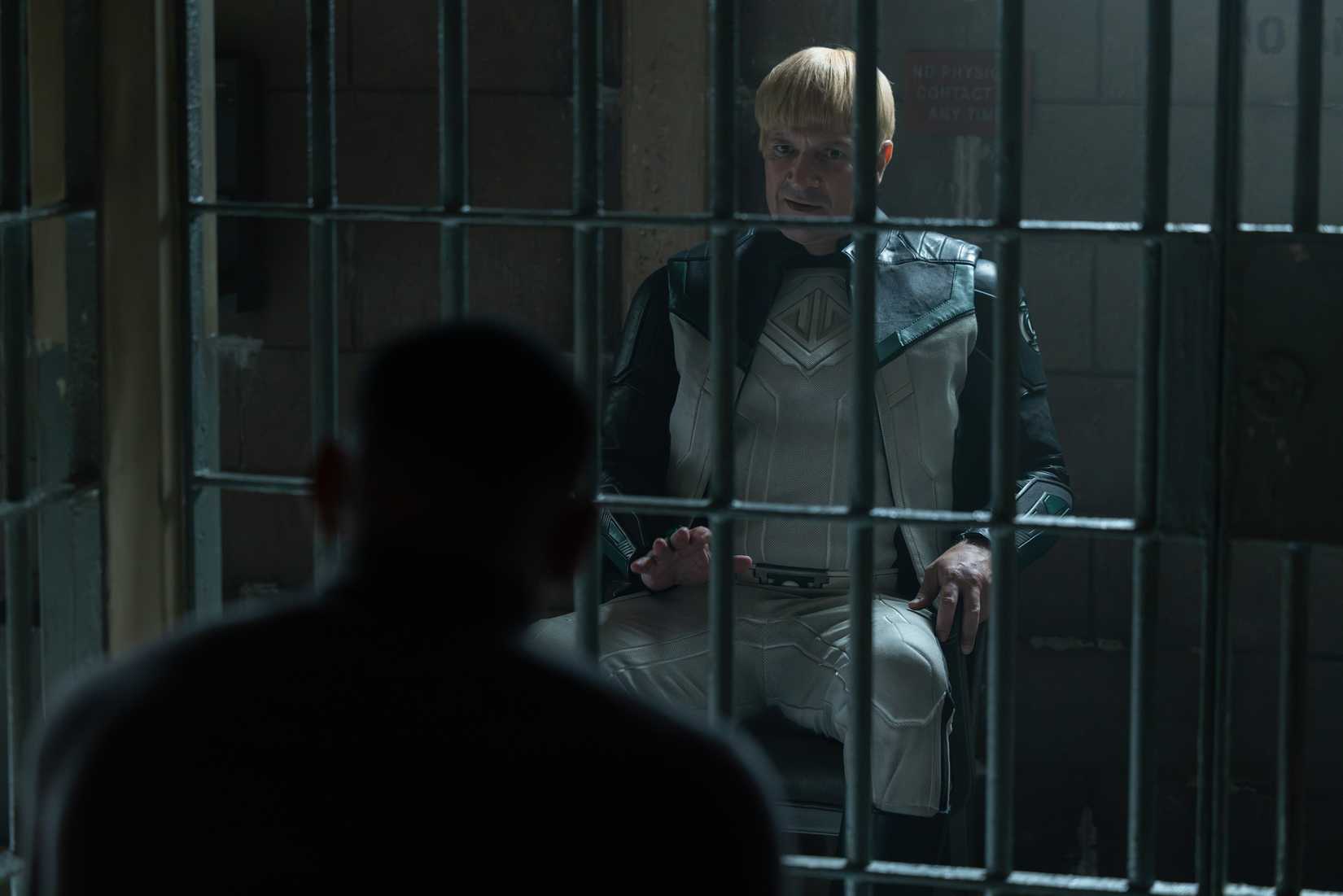 Image: HBO
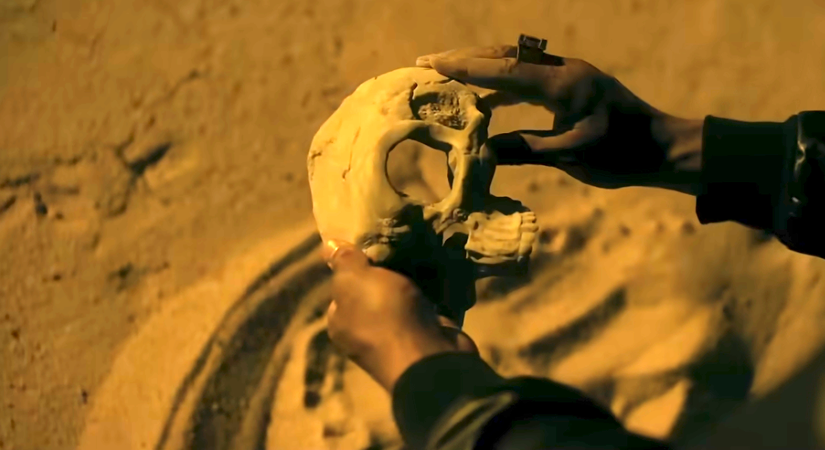 Image: HBO Max
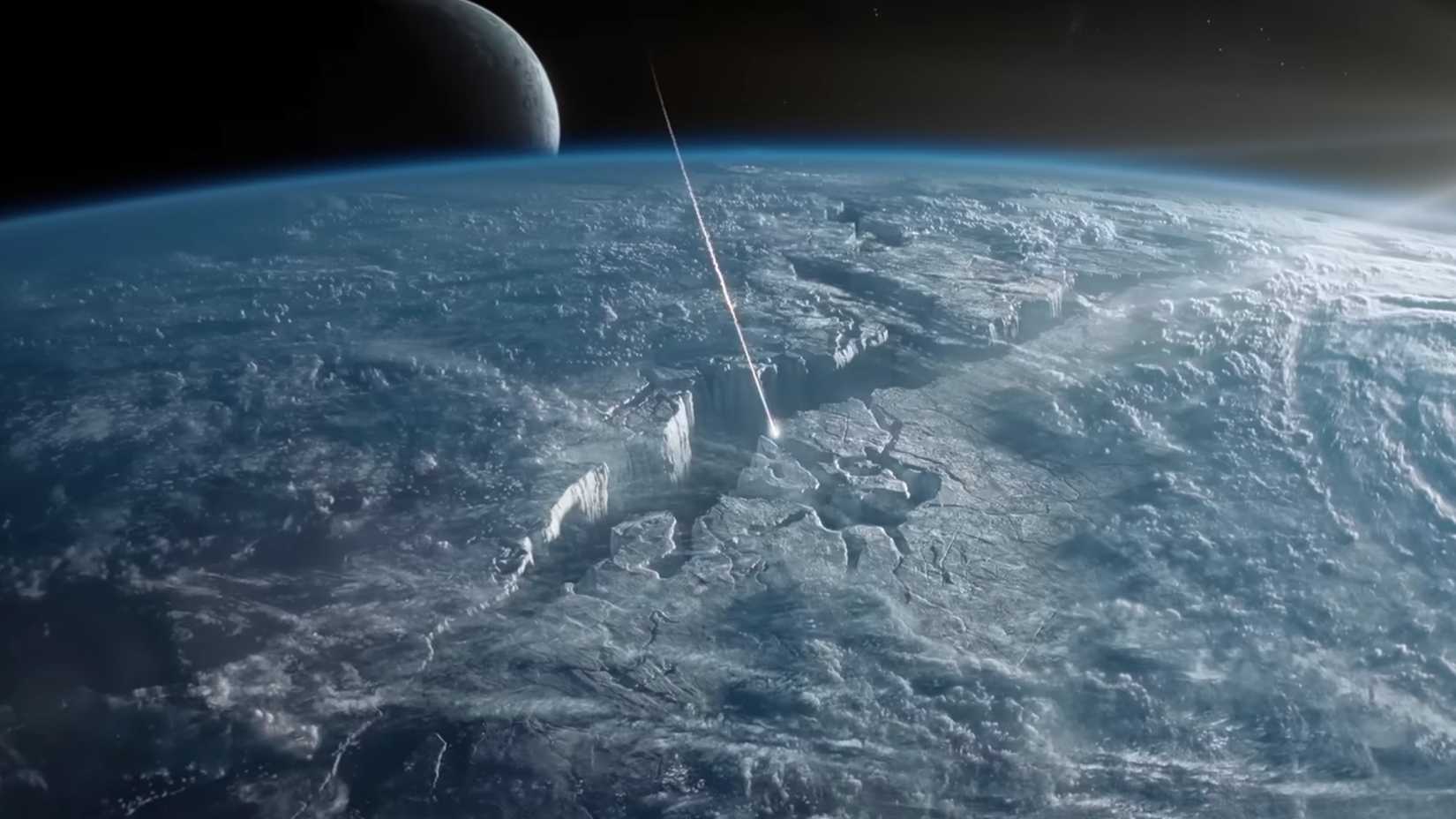 Image: HBO
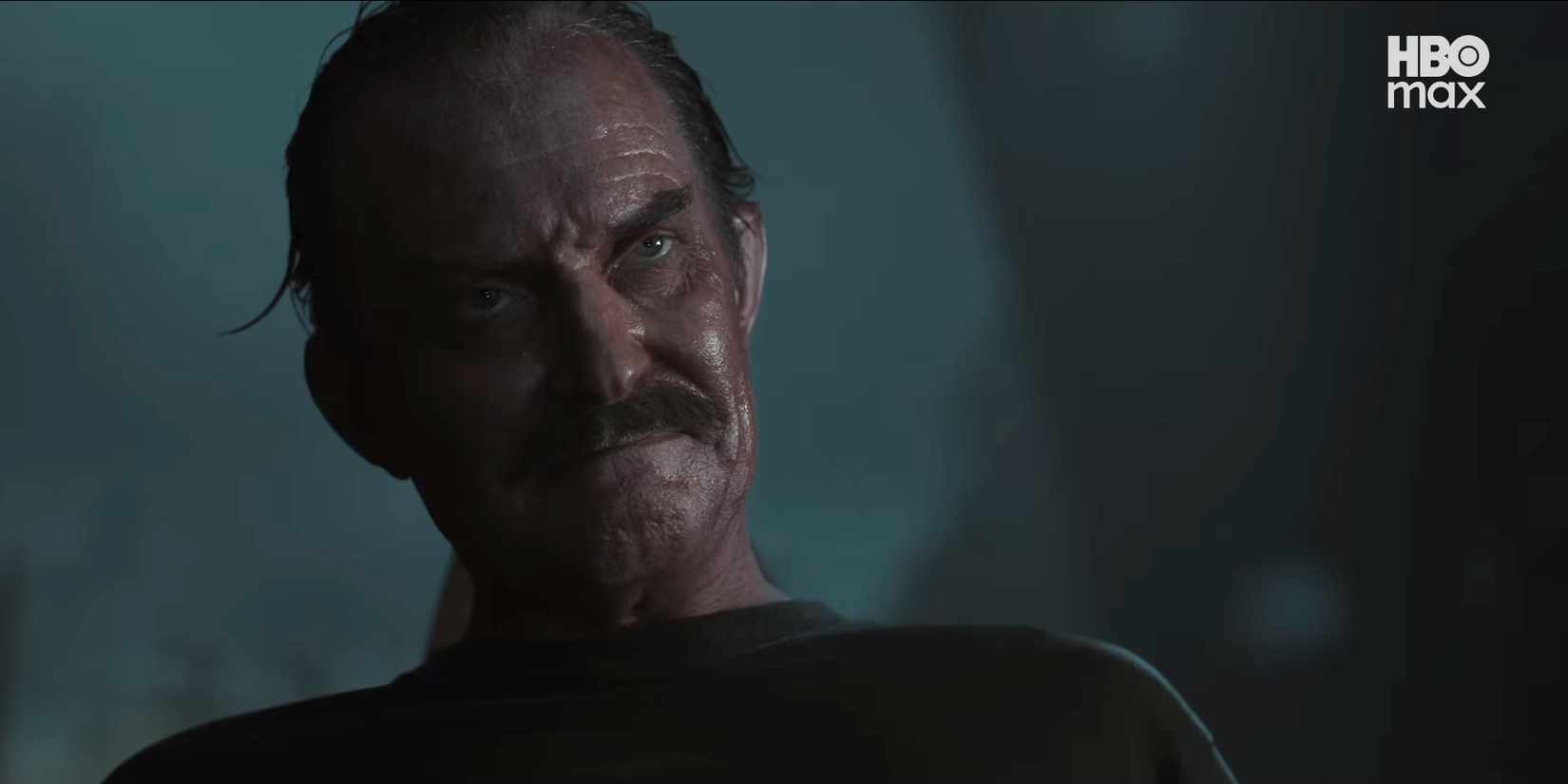 Image: HBO
 Image source, BBC Weather Watcher / Bryn Cariad
 Image source, BBC Weather
 Image source, BBC Weather
 Image source, BBC Weather