Oil prices opened sharply higher on Monday after the United States launched a wave of attacks on Iran and as Tehran announced it would close the strait of Hormuz.
… %!s()
A barrel of international benchmark Brent crude for September delivery rose 3.75% to $78.86 at around 2210 GMT on Sunday.
US benchmark West Texas Intermediate rose 3.65% to $74.02 per barrel for August delivery.
Strikes over the weekend have had wider regional implications.
Qatar, which has previously said it would not act as a mediator so long as it was under attack, said three people, including a child, had been injured by falling shrapnel. It said Iran was “fully legally responsible” for the attack.
The UAE said it detected missile threats outside its borders, while Bahrain said it intercepted several Iranian aerial attacks, Jordan reported missile strikes and Oman reported being targeted with drones. Kuwait’s army later reported damage from strikes, and said an attack on an oil drilling platform injured a worker.
Oman said it had summoned Iran’s ambassador to protest over drone attacks in two regions and the US embassy in Oman told its nationals in Duqm and Musandam to shelter in place.
Iran’s foreign ministry has condemned “aggressive” US attacks against Iran.
In a statement, the ministry also said talks between Iran and Oman on Saturday in Muscat — focused on arrangements for managing the strait and transit routes — were unable to reach a result because of “overt and covert” US pressure on Oman.
In the past week, Trump has said he considers the ceasefire over, while leaving the door open to more talks.
Iran’s top negotiator, Mohammad Baqer Qalibaf, posted on X on Sunday.
double quotation markThe era of one-sided deals is OVER. We told you: keep your word or pay the price. Reality is knocking.”
The renewed fighting followed an Iranian attack early Sunday on a commercial ship in the strait of Hormuz, whose crew was forced to abandon it after it went up in flames.
Iran’s Revolutionary Guards said after the incident that “the Strait of Hormuz will be closed until further notice and until the end of American interventions in this region,” according to state news agency IRNA.
CENTCOM countered on X that the strait was “open to all vessels seeking to lawfully transit.”
It said US forces were “positioned and prepared to ensure” freedom of navigation, adding: “Iran does not control the strait. Traffic is flowing.”
Control of the waterway has become key leverage for Iran, with an adviser to the country’s supreme leader on Sunday saying it was more important than “dozens of atomic bombs”.
The latest salvo by US forces began at 2100 GMT on Sunday, Central Command (CENCTOM) said on X, after earlier announcing approximately 140 strikes the previous night.
On Sunday evening, Iranian state media reported at least 10 “enemy projectiles” hitting Qeshm Island, which sits on the strait of Hormuz.
It also reported strikes on the island of Farur, to the east of Qeshm in the Gulf, that it said killed a telecommunications worker and wounded two others.
Shortly after, Kuwait said three of its land border posts in the north were damaged in an attack, and that an offshore drilling platform “was targeted by a hostile drone,” with one person injured.
Tehran said it had targeted two ships in Hormuz early Sunday, including the one that caught fire. Iran’s Guards said they also hit Oman, which has rarely been targeted.
Opening summary
The US and Iran have again exchanged heavy missile and drone assaults, with Tehran targeting US facilities in states across the Gulf and saying it had again closed the vital strait of Hormuz.
The US military began launching more strikes against Iran at 5 pm ET on Sunday, US Central Command said in a statement, “to continue degrading their ability to attack civilian mariners and commercial ships freely transiting the strait of Hormuz.”
In a brief phone interview with Reuters on Sunday afternoon, Trump referred to this weekend’s US strikes on Iran. “We’re beating them up,” he said.
Iran’s latest barrage marked an escalation in pace and range, extending as far as Qatar, a mediator in ceasefire talks that had not come under attack since April. The United Arab Emirates, which had not been targeted since early May, said its air defenses had engaged missiles and drones from Iran.
The renewed violence casts further doubt on the future of an interim US-Iranian agreement signed last month that aimed to reopen the strait and end the war after a further 60 days of negotiations.
Iran said early on Monday that the latest attacks had “rendered futile” all the diplomatic efforts of the last few months.
“The US regime has also caused the return of insecurity in the strait of Hormuz and disruption of international commercial shipping by openly interfering in the process of Iran implementing the necessary arrangements in the strait of Hormuz,” a foreign ministry statement said.
The UK's third heatwave of the year is set to intensify again this week, following a slight drop in temperatures for some on Monday.
More places in England and Wales could exceed 30C, with some forecasts suggesting that temperatures close to the mid-30s could be possible in a few locations.
Heatwave thresholds may also be briefly reached in parts of Scotland and Northern Ireland as humidity levels increase across the country.
Amber and yellow heat health alerts, external issued by the UK Health Security Agency (UKHSA) are in effect until 21:00 BST on 15 July.
They warn that significant impacts are likely across health and social care services due to the high temperatures, including a rise in deaths, particularly among those with health conditions or aged 65 and older.
Heat and humidity set to build again
Brisk north-easterly winds and a spell of lower humidity, running around an area of high pressure in northern Scotland, have helped to break some of the recent intense heat, especially in central and eastern parts of the UK.
Temperatures across England and Wales on Monday will be lower than in recent days, but could still reach highs of 30C in some southern counties.
For some locations, this means the run of consecutive 30-degree days will enter its second week.
A few spots in Northern Ireland and western Scotland could also reach their heatwave threshold temperature of 25C.
By contrast, North Sea coasts will stay cooler at around 16C to 21C.
Image caption,
After a brief dip, temperatures are set to rise again this week
By midweek, an area of low pressure over France will bring the UK lighter easterly winds, marking a return to slightly more humid weather.
Temperatures will increase in most areas and are expected to peak on Thursday.
Readings around 26C or 27C are forecast across the western sides of Scotland and Northern Ireland.
More of England and Wales will experience highs around the 30C mark, with some weather models predicting isolated peaks of 34 or 35C.
The UK has already seen a record-breaking nine days this year where temperatures have reached 34C or higher, two more than the previous record years of 1976 and 2020.
Night-time temperatures will also increase again, with the prospect of a few 'tropical nights' being recorded, as temperatures hold above 20C.
Heat health alerts extended
Amber heat health alerts, external by the UKHSA were extended on Sunday in the West Midlands and south-west England, and will remain in force until 21:00 BST on 15 July.
Lower level yellow warnings are also in place for the same period in north-west England, East Midlands, east of England, south-east England and the London area.
Image source, NASA
Image caption,
Much of England's countryside appears a parched brown colour on this view from space on 9 July, following three record-breaking heatwaves
The prolonged hot and dry weather has also resulted in increased wildfire risk, especially for England and Wales.
Lower humidity and stronger winds over the weekend saw the fire risk raised to "exceptional" in parts of southern England.
That risk is expected to ease a touch as winds become lighter and the chance of showers increases slightly.
However, it will rise again more widely across central and eastern England from Wednesday.
When will the heatwave finally end?
Despite the chance of a few sporadic thunderstorms breaking out later this week across southern areas of the UK, the prospect of a concerted cooldown remains uncertain.
Computer weather models show a likely trend to more northerly winds this coming weekend, which will bring a drop in temperature.
However, how much cooler it will get is still uncertain. And, with the possibility of high pressure building back in quickly, it may not be long before parts of the UK return to heatwave conditions.
This also means that many areas will continue to see little or no rain.
You can stay update with the latest temperature trends on the BBC Weather app. %!s()
Update, Sunday July 12: This article has been updated with details of the new iOS 27 features and public availability.
Crowds walk past an Apple Store with a large poster of the 2025 iPhone 17 Pro in Chengdu, China. (Photo by Cheng Xin/Getty Images)
… %!s()
Getty Images
The release date of the iPhone 18 Pro, iPhone 18 Pro Max, and iPhone Ultra gives Apple several advantages over the Android-powered competition. While Samsung and Google are scheduling high-profile launches of the Galaxy and Pixel this summer, Apple’s incoming CEO, John Ternus, is waiting in the shadow of September to learn from Apple’s rivals.
The iPhone 18 Pro’s Impact On The Smartphone Retail Tempo
Apple’s later iPhone 18 Pro launch date will compress the primary retail revenue window for the summer’s premium Android flagships.
The Apple community already knows the launch date for their next iPhone will be in early September. So do the competing manufacturers, who are doing their best to both avoid a clash of dates and provide as much runway as possible for their own smartphones. By going on sale in the late July, early August window, Samsung and Google give themselves some time to establish the Galaxy and Pixel smartphones, but their full-price sales window is measured in weeks; six weeks for Samsung and just four for Google.
As the contract renewal window builds throughout September and October, this is prime territory for networks to launch aggressive marketing campaigns alongside the launch of new iPhone models. It’s why Android manufacturers run aggressive trade-in promotions and offers out of the gate. Apple’s iPhone will smother the consumer market within 60 days.
iOS 27 Avoids iPhone 18 Pro Fragmentation As Android Suffers Slow Adoption
The universal deployment of iOS 27 across Apple’s entire iPhone range addresses real-world consumer anxieties regarding fragmented Android 17 operating system rollouts.
MORE FOR YOU
Apple’s iOS is effectively a day-one drop for the new iPhone 18 Pro and older iPhone models, following a significant beta test that any current iPhone can join. The new OS can take feedback before launch and incorporate lessons learned in Android 17’s first month. With a later launch, iOS 27 has a longer lead time, which can make for a more stable out-of-the-box experience.
Google’s public rollout of Android 17 is expected to commence with Samsung’s OneUI 9 launching in the Galaxy Z Fold and Google’s own flavor of Android 17 in the Pixel 11 smartphones. While there have been public tests, they are not as extensive as Apple’s highly visible iOS 27 public betas. Where Android is fragmented around multiple manufactuers and regions with different rollout schedules, Apple’s iOS offers a single fixed point.
This reduces post-purchase friction for iPhone 18 Pro upgrades and immediately brings new users to Apple’s premium online services. Where services on Android are scattered across manufacturers, Apple’s unified iOS means a critical mass is switched on the moment the operating system boots.
The Apple iPhone 16 models on display at the Apple Store at The Grove in Los Angeles, California (Photo by FREDERIC J. BROWN/AFP via Getty Images)
AFP via Getty Images
The iPhone 18 Pro and iOS 27’s Public Beta
Update, Sunday July 12: This article has been updated with details of the new iOS 27 features and public availability.
Writing for Bloomberg’s Power On newsletter, Mark Gurman notes that the first public beta of iOS 27 is set to be released this week. The update will be available across Apple’s current iPhone portfolio and will focus on a mix of performance improvements and new Apple Intelligence and Siri AI features. So far, the developer betas have proven robust:
"Let me be very clear, though: You shouldn’t be expecting your iPhone to work dramatically differently. These are Snow Leopard-like updates, meaning they’re more about making software run more smoothly and reliably. There’s not much new here other than the Siri and other artificial intelligence features. If you’re into those AI changes, you’ll love the new operating systems."
Naturally, the unreleased iPhone 18 Pro does not appear on the public list, but you can be sure that a significant number of Apple employees will be using iOS 27 on their test devices. With new AI hardware built into the silicon, the iOS 27/iPhone 18 Pro pairing will represent the cutting edge of Apple’s vision of AI on the iPhone. Until then, the current range will do the bulk of the public testing, with an eight to ten-week window before the 18 Pro reaches the public, along with the new version of iOS.
iPhone 18 Pro Price Rise Protected By Samsung And Google
Apple mitigates supply chain cost inflation by aligning the iPhone 18 Pro's pricing strategy with established premium flagship pricing baselines.
Apple will continue its long-established approach to software and services, but there is inherent value in being the last of the heavy hitters with its September release. Thanks to rising memory and storage costs, smartphone prices are rising. When the iPhone 18 Pro family arrives, Samsung and Google will have already released their smartphones, which will be more expensive year-on-year. By virtue of being last, the ground for a more expensive iPhone 18 Pro has already been laid, without Apple having to endure sticker shock.
Apple can also react to the marketing and consumer sentiment. Perhaps this is the year when cloud-based AI features are what consumers are looking for? Apple can double down. Perhaps there’s pushback on the cloud-based AI services? Apple can fill this gap with its local, privacy-focused approach to AI. Running late gives Apple the best consumer intelligence possible, so it can react and tailor its marketing.
Saving The iPhone 18 Pro From Sticker Shock
Apple’s September launch of the iPhone 18 Pro should not be seen as a delay, but as a strategic choice to capitalise on competitors' decisions. Samsung’s Galaxy Z Fold series and Google’s Pixel 11 series will test consumer sentiment during the summer. They will lean heavily into their marketing budgets to establish themselves before the iPhone 18 Pro becomes the premium default.
Crucially, the iPhone 18 Pro’s. l see Apple's rivals do all the work to establish a higher baseline price for modern smartphones, before Apple moves in to capture peak holiday sales while avoiding the sticker shock consumers will have experienced when looking at the competition. %!s()
Andy Burnham is set to be the UK's next prime minister.
BBC correspondents in Europe, Russia, Ukraine and Asia reflect on what world leaders make of a Burnham premiership.
US: Burnham has opportunity to win over Trump
By
North America correspondent
So far, Donald Trump has been fairly dismissive when it comes to Burnham. He seems unconvinced that a Burnham premiership will address his two biggest criticisms of Starmer's government: its policies on immigration and drilling in the North Sea oil field.
US administration officials, for instance, view the possibility of Ed Miliband being named chancellor of the exchequer as evidence that British environmental policy will remain unchanged, given his ban on new North Sea oil and gas drilling licences as energy secretary.
Sir Keir and Trump had a surprisingly warm relationship from the start of the American president's second term. For now, Trump seems to know little of Burnham beyond his being a "mayor of a town" and suspecting that he is "extremely liberal".
Beneath the surface, however, US officials are already pressuring the Burnham team to form a government to their liking. While they have the aforementioned concerns about Miliband, they are hoping for continuity in British foreign policy leadership, which includes keeping Yvette Cooper on as foreign secretary
Image source, AFP via Getty Images
Although the UK under Starmer has boosted its defence spending, Trump – and top US security officials – want the British to set an even higher example for the rest of Europe. The tensions over US access to British military bases during the Iran War are still simmering as well.
Burnham being a relative unknown in the US poses both risk and opportunity for him once he moves into 10 Downing Street.
The opportunity is that, with a proper charm offensive, Burnham - like Starmer - could win Trump over in spite of their political differences.
The risk is that, given political pressures in both countries, those differences – on issues like military spending, digital service taxes, energy extraction, international conflicts and trade - could end up defining their relationship well before a personal connection has a chance to form.
China: A sense of frustration at more political change
ByLaura Bicker
China correspondent
Burnham once pointed to China's high-speed rail network as a model for the North of England.
In 2018, he appeared open to what China could offer at a regional level. As prime minister, the calculation is more complicated. Any relationship with Beijing now has to be judged against both economic benefit and national security risks as British intelligence services continue to raise concerns about spying, threats to Chinese nationals in the UK and intellectual property theft.
Starmer took a broadly pragmatic approach, seeking to balance those competing interests and becoming the first UK prime minister in eight years to visit Beijing. The question is whether Burnham will follow suit - or take a different line.
If Burnham returns to China, he will likely also be shown the country's latest infrastructure advances - a reminder of its economic ambition and also its political continuity.
Image source, CFOTO/Future Publishing via Getty Images
Chinese officials will be watching closely. They gave Starmer a tour of the Forbidden City and a lavish banquet as part of a worldwide charm offensive in the hope that the UK and others will look at Beijing as a stable predictable partner in contrast to the US.
However, there is a sense of frustration in Beijing at the frequency of political change in London.
Some Chinese analysts see the turnover of UK prime ministers as a sign of instability, and what Zhang Jian, from China Institutes of Contemporary International Relations, calls the country's "identity crisis" since Brexit.
Russia: Moscow expects no change in UK relations
By
Diplomatic correspondentReporting fromMoscow
In Moscow the UK is often described as the Kremlin's "enemy No1". In part that is because of Britain's longstanding military and financial backing for Kyiv.
The UK is also the subject of Kremlin ire simply because relations between the US and Russia have improved so much during Trump's second term.
Russian newspapers believe they have the measure of incoming PM. The government publication, Rossiyskaya Gazeta, describes Burnham as "a consistent critic of Russia, who constantly calls for the West to adopt a tougher stance on Russia".
On social media last month Burnham reminded his followers he had opposed Russia's invasion of Crimea in 2014, opposed Russia hosting the football world cup in 2018, and had supported Ukraine and its mayors since 2022.
Image source, Pavel Bednyakov/Pool/AP
Image caption,
Russian state media has turned its attention to the incoming British Prime Minister amid shifting relations with Washington
The Kremlin does not expect a change in Downing Street will bring any change in British policy. President Vladimir Putin's spokesman, Dmitry Peskov, says Starmer "hasn't distinguished himself" in terms of Russia-UK relations and accuses the outgoing prime minister of "maintaining these relations at the very lowest level".
As for Burnham, Peskov is frank: "It's unlikely that anyone on the British political scene will have a different position to Keir Starmer on our bilateral relations."
That in part is because UK support for Ukraine - and Russian hostility towards the UK - has remained remarkably constant throughout Britain's recent political turmoil.
Ukraine: Concern in Kyiv about UK political instability
By Sarah Rainsford
Eastern Europe correspondentReporting fromKyiv
In the fifth year of its full-scale war with Russia, Ukraine is about to see its fifth UK prime minister.
There is some concern in Kyiv about the risk of political instability in Britain. Ukraine needs its allies to remain focused on the giant war in the heart of Europe; it needs the UK to keep up its military aid, its drone deliveries and its economic support for "as long as it takes", as it promised.
But from PM No 1, Boris Johnson – so popular he had a cake named after him here - right through to No 4, Keir Starmer, British backing for Ukraine has been constant.
There's no sense that would change under Burnham given his past comments.
More broadly, his foreign policy priorities aren't clear. But from Ukraine's perspective, it's important for the new PM not to waver in recognising the threat that Russia presents to the West and to remain committed to helping Ukraine defend itself, and Europe, accordingly.
Image source, PA Media
Image caption,
Andy Burnham would be the fifth UK prime minister since Russia's full-scale invasion in February 2022
EU: Europeans anxiously watching UK defence spending
ByKatya Adler
Europe editorReporting fromBrussels
The view across the Channel is that the UK's newfound political volatility simply means they've joined the club. Governments in Germany, Denmark, France and more are pretty stormy affairs these days too.
Practically, EU countries are curious to see if Burnham harbours the same fervour Starmer claimed to have for a "reset" of economic relations and whether the new UK PM will be willing to budge on Labour's red lines to date: a no to freedom of movement, rejoining the EU customs union or single market.
On defence, European allies are anxiously watching to see if the UK will honour its Nato commitment to hugely increase spending to 3.5% of GDP by 2035.
Burnham appears to have clear domestic priorities. In the volatile world we live in, with threats from China and Russia, the needs of Ukraine and an often hostile US president, Europe's overriding question is - will the new UK prime minister prioritise continental security too?
Image source, EPA
Image caption,
A pro-EU campaigner holds up a sign of Andy Burnham outside Parliament
France: Paris hopes Burnham's world view is like Starmer's
ByHugh Schofield
France correspondentReporting fromParis
Burnham has spent little of his political career dealing with the world outside the UK, so logically the outside world's knowledge of Burnham is also strictly limited.
That is certainly the case in France, where the foreign intentions of Britain's likely next PM seem like a closed book.
In the only interview any official has given on the matter, Foreign Minister Jean-Noël Barrot wished Burnham well and hoped for "as much stability as possible" on the other side of the Channel.
Image source, AFP via Getty Images
Image caption,
France's Foreign Minister, Jean-Noël Barrot has said he hopes Britain enjoys "as much stability as possible" under its next prime minister as Paris looks to continue resetting UK-EU relations
The Paris government will have been told that Burnham, at least in a loose kind of way, is pro-European, but that he is very deliberately not advocating a return to the EU. Not that different from Starmer then, with whom the process of "re-setting" relations with the EU was already under way.
The French government will want more of that, as well as more co-operation over stopping the "small boats".
And more too of the unspectacular but steady deepening of defence ties. The Starmer-Macron team has proved effective in co-ordinating on Ukraine and the Strait of Hormuz.
India: Delhi will be most concerned with continuity
ByAzadeh Moshiri
South Asia correspondentReporting fromDelhi
Burnham is mostly an unknown quantity in India. But as one career diplomat told me, Delhi wasn't particularly "familiar" with the revolving cast of prime ministers over the past decade either.
That churn is at complete odds with the Bharatiya Janata Party's (BJP) firm grip on Indian politics, its own leader Narendra Modi in power now for more than a decade. Whether that's a strength or a weakness depends largely on your political leanings in India.
For now, officials have stayed silent publicly. The assumption in Delhi is that the UK's political saga may not be over. A former Indian High Commissioner to the UK, Yashvardhan Kumar Sinha, has described Burnham as a "popular leader" facing "a very resurgent Reform".
Image source, Reuters
Image caption,
Modi has been in power since 2014, when David Cameron was in No 10
Delhi will be most concerned with continuity, with a focus on policy not personality. There is a broad view that the UK-India relationship is on an "upward trajectory", India's former foreign secretary Shyam Saran told me.
Top of the agenda will be keeping the UK-India free trade agreement, due to be implemented in July, on track. The government will also be watching for any potential changes to immigration rules, particularly for Indian students and skilled workers. %!s()
Koyo Murata left his small hometown for Tokyo before returning a few years later to transform an abandoned community center into a guest house.
Provided by Koyo Murata
…
This as-told-to essay is based on a conversation with Koyo Murata, 25, the founder and operator of the Villa ASO guest house in Taiki, Mie Prefecture, Japan. His words have been edited for length and clarity.
I grew up in a quintessential countryside town in Japan with about 8,000 people. My elementary and middle schools had only about 100 students combined. There are even fewer children there now.
After school, we'd play in the river or organize soccer matches in the park. I felt lucky to be surrounded by rivers, mountains, and the sea.
Looking back, I realize my hometown, Taiki, was already part of a broader trend in Japan.
Rural towns like it are disappearing as people move to Tokyo. The capital is where you find the best jobs. Most kids who grow up in small towns like mine dream of making it to the big city.
I got to live that dream
I moved away at 19 to study electrical engineering at Mie University; after graduating, I spent three years in Tokyo working in construction management and later in independent sales.
My life was full, but I didn't like how crowded the city could be. The greater Tokyo metropolitan area consists of nearly 37 million people. The trains were always packed, and people seemed more uptight than the friendly folks back home. Over time, I began to realize how valuable life in the countryside really was.
Murata received a call from his dad, telling him the community center in his hometown was going to be torn down.
Provided by Koyo Murata
That's why, in August 2025, I decided to move back home. In Japan, we call it a "U-Turn" — when someone leaves for the city and later returns to their hometown.
My parents and older brother now live in Tokyo and run their own businesses. I wanted to challenge myself by building a career of my own. At the same time, I wanted to find a way to share the beauty of the Mie countryside with the rest of the world.
The opportunity came when my parents called me one day to tell me that an abandoned community center in our town was about to be knocked down.
Murata hired a construction company to complete 70% of the work, but finished the rest with some friends.
Provided by Koyo Murata
My father said, "This could be your chance to do something with it."
That's when I made my U-Turn and moved back to Taiki to start my own business and find a new use for the old building. I began a project to transform the former community center into Villa ASO, a guest house for visitors to the area.
Reviving the old
The former community center was a gathering place for local residents and also served as an evacuation assembly point. But it had been sitting unused for 10 years.
When I started my company, NexusTown, my idea was to renovate the building and turn it into a guest house that could accommodate groups of up to 8 people. I hope to bring more tourism to our shrinking town.
I borrowed about 10 million yen, or $62,000, from my brother's company and received another 10 million through a government-backed startup loan from the Japan Finance Corporation.
Villa Aso, a private villa, opened in December 2025.
Provided by Koyo Murata
Over three months, we hired a construction company to complete 70% of the work, but the remainder was DIY — just me and some friends. It was hard work; none of us had any experience in renovation. I also had to teach myself how to market the guest house, how to put it on Airbnb and Booking.com, and how to set the right prices.
In December, when it officially opened, and I saw our first guests enjoy their stay, I was glad I had done it.
The house can accommodate groups of up to 8 people.
Provided by Koyo Murata
Making it a success
In January, we were operating at 30%, in February 60%, and by March we'd reached 100%.
Our guests have included college students on spring break, multigenerational families, and working adults from all over the country. So far, we've had only one group of inbound tourists from abroad, but I hope we can host more overseas visitors in the future. The house is close to the Kumano Kodo, an ancient pilgrimage route that attracts hikers and travelers from around the world.
The villa has a private sauna, and there's a natural hot spring 3 minutes away on foot.
Provided by Koyo Murata
People who come to Villa ASO get to enjoy the same mountains, river, and sea that I did when I was growing up. They can slow down and enjoy the stars at night. They can meet the warm people of Mie.
In addition to the villa's private sauna, there's also a natural onsen, or hot spring, three minutes away by foot that I always recommend and which guests can visit for free.
The villa costs on average 28,900 to 33,700 Japanese yen, or $179 to $208, for two guests, with 5,000 yen added for additional party members.
The living room and kitchen are one big open space.
Provided by Koyo Murata
In the future, I'm hoping to connect the villa experience with local restaurants and activities like seated meditation and harbor fishing.
My goal is to revitalize the town's economy, and my work is never done. Along with managing the guest house, I also work for a talent-matching agency. I'm always thinking of new ways to renovate and improve the villa. I hope to recoup the investment in about three to four years.
Murata is teaching himself how to market the guest house and how to set the right prices.
Provided by Koyo Murata
The future of small-town Japan
The declining population of Taiki worries me. I don't think the town will ever vanish entirely, but it may eventually be merged with another township. It makes me sad to think that could happen to the place where I was born.
If this project can help even one or two more people fall in love with my hometown, I'll be happy.
 Image source, SOPA Images via Getty Images
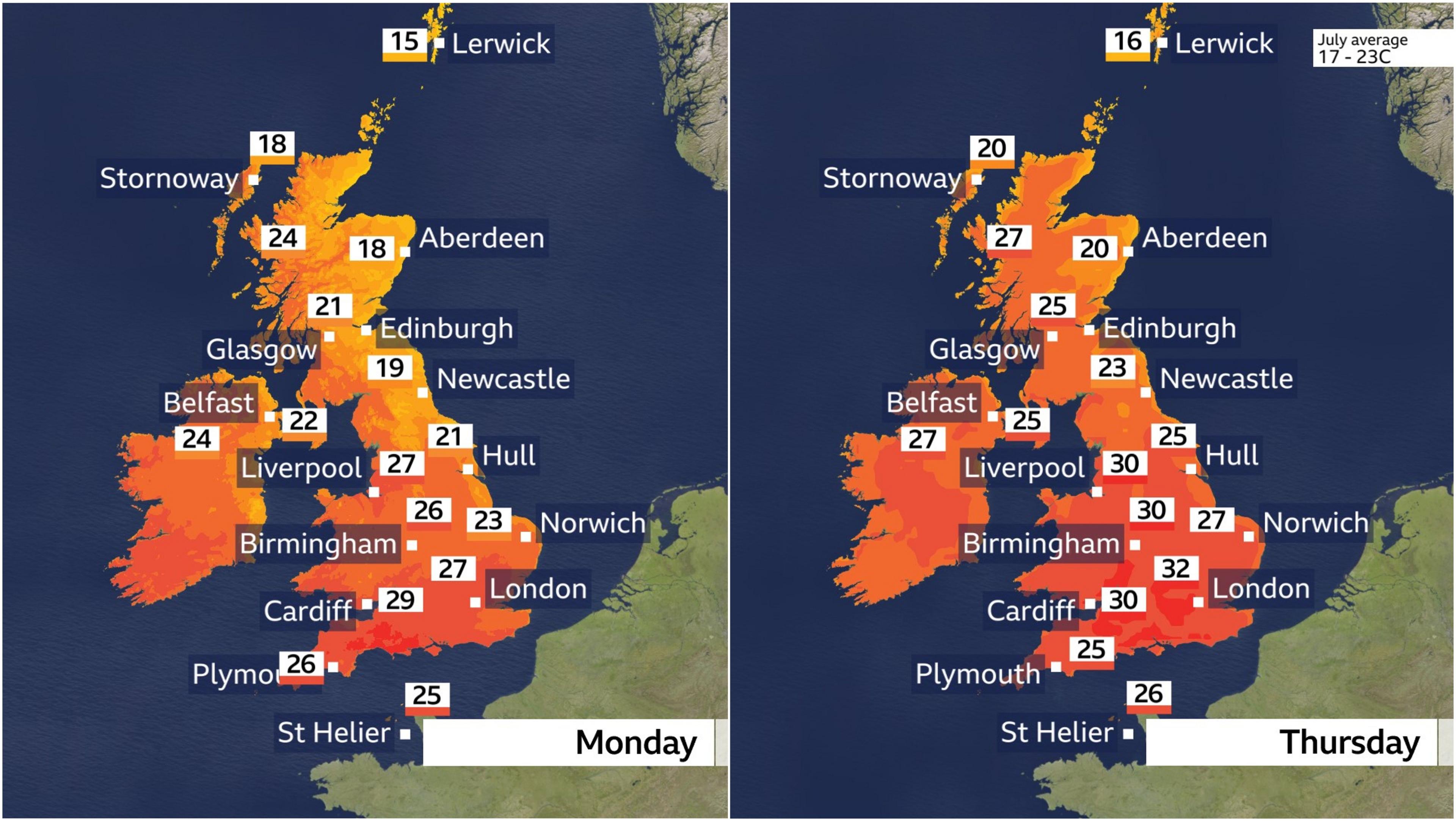
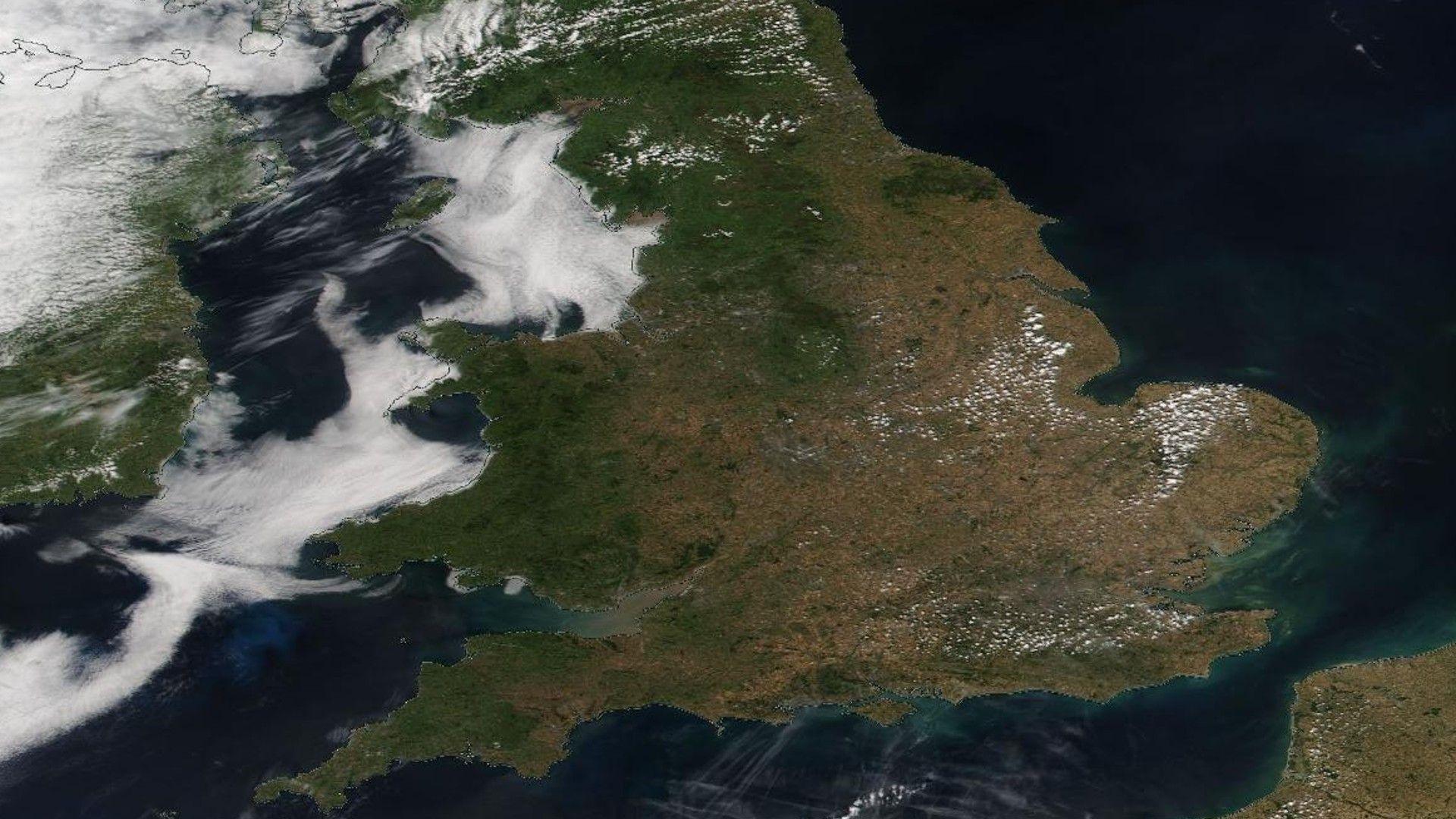 Image source, NASA

 Image source, AP
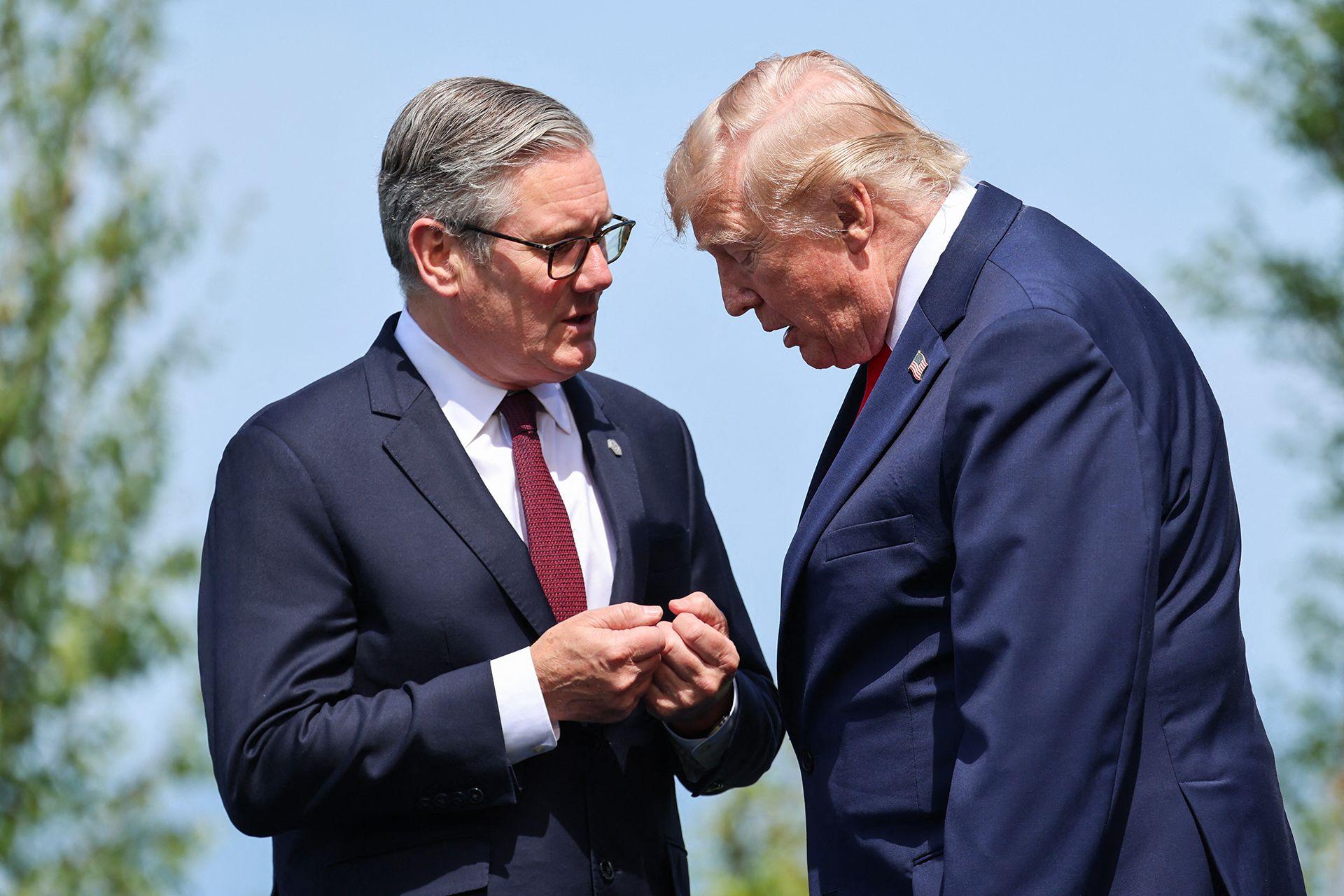 Image source, AFP via Getty Images
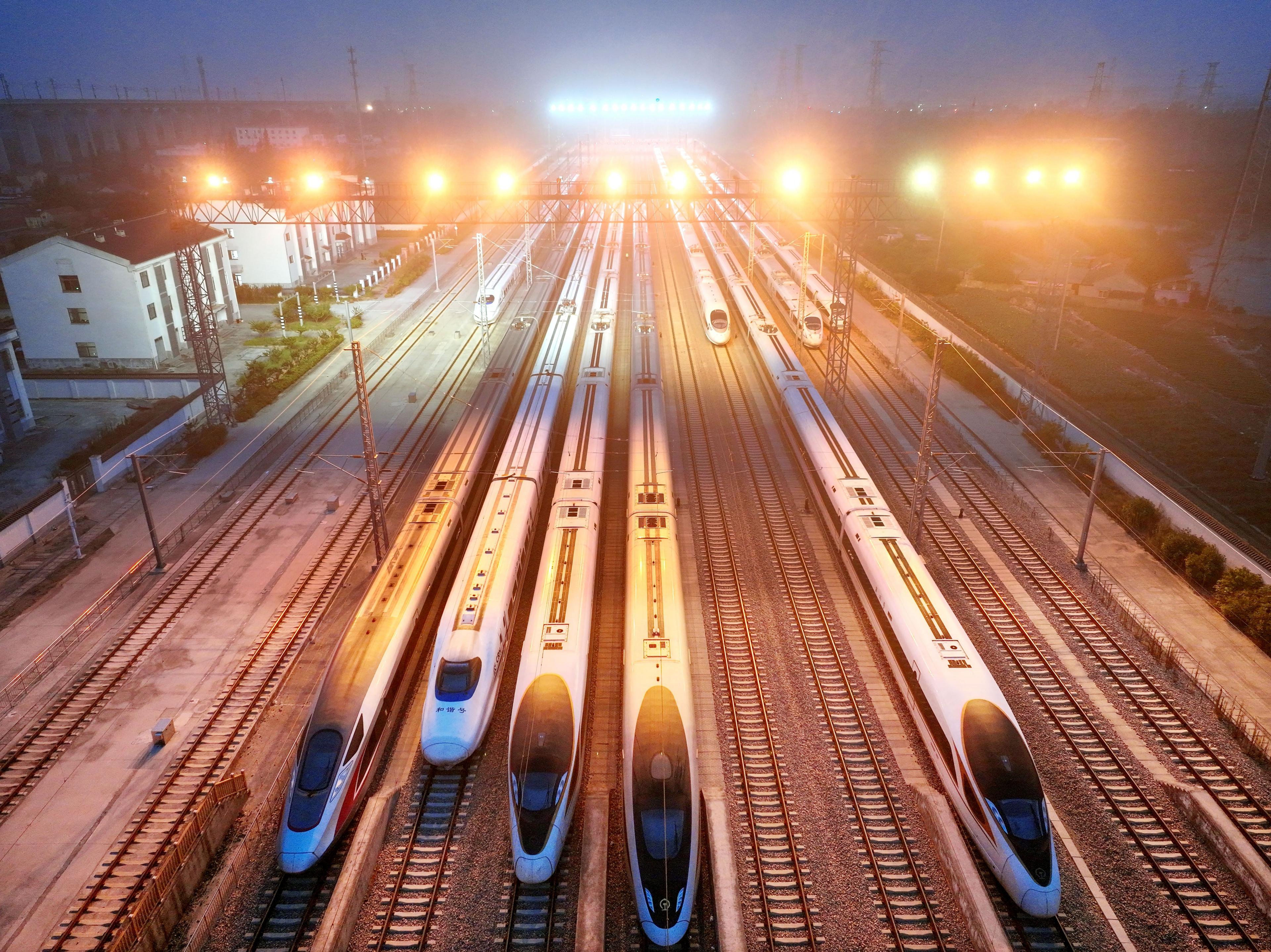 Image source, CFOTO/Future Publishing via Getty Images
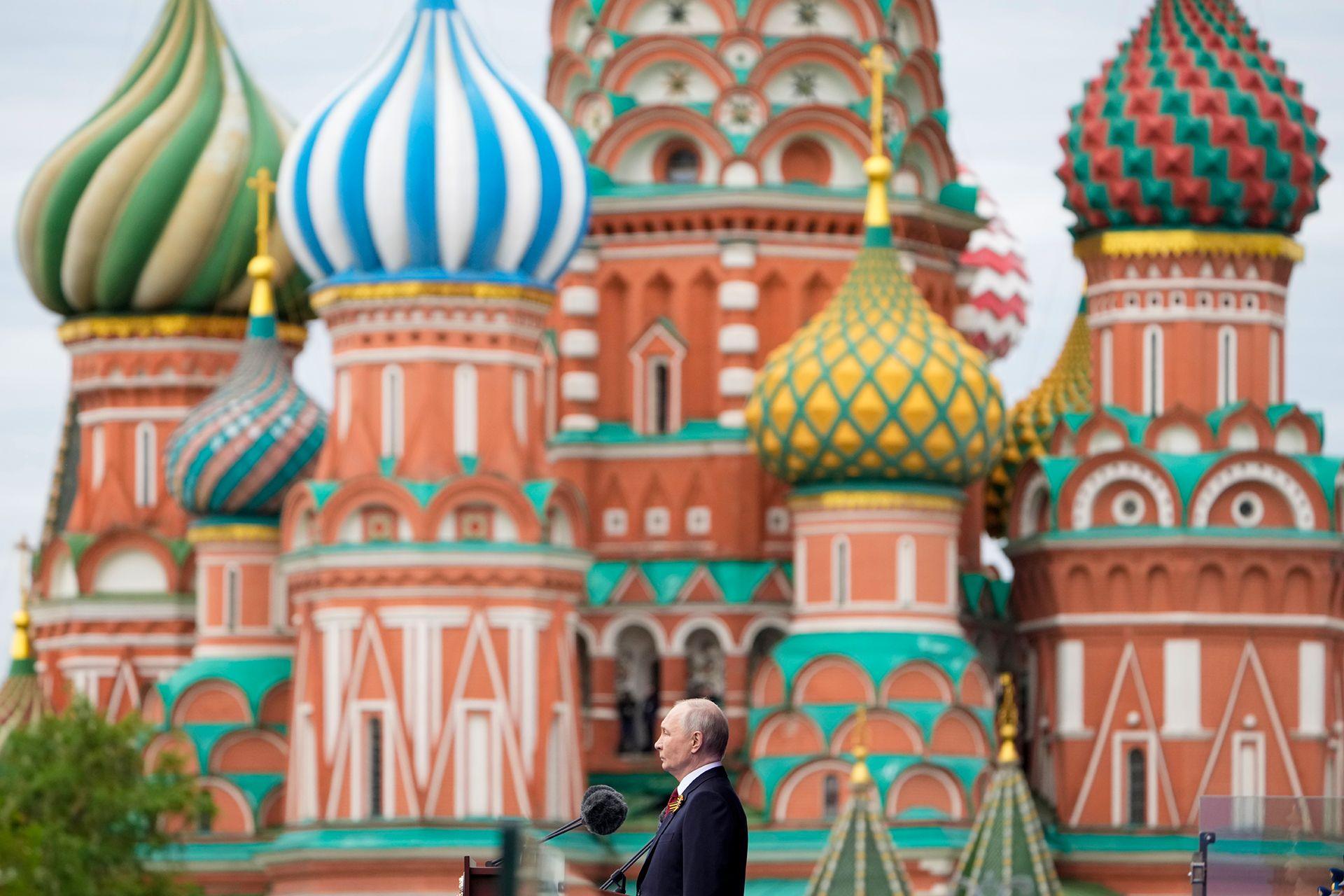 Image source, Pavel Bednyakov/Pool/AP
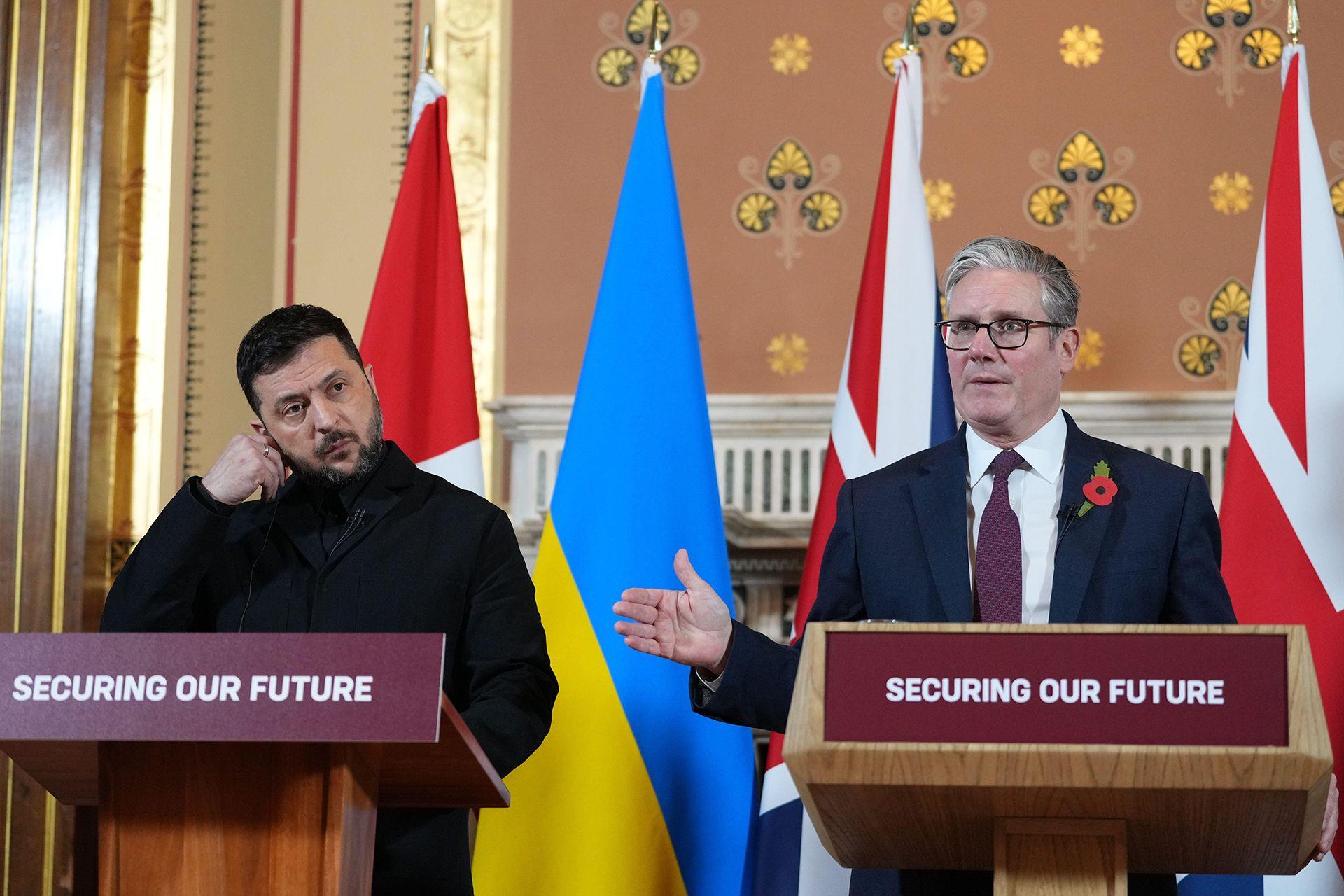 Image source, PA Media
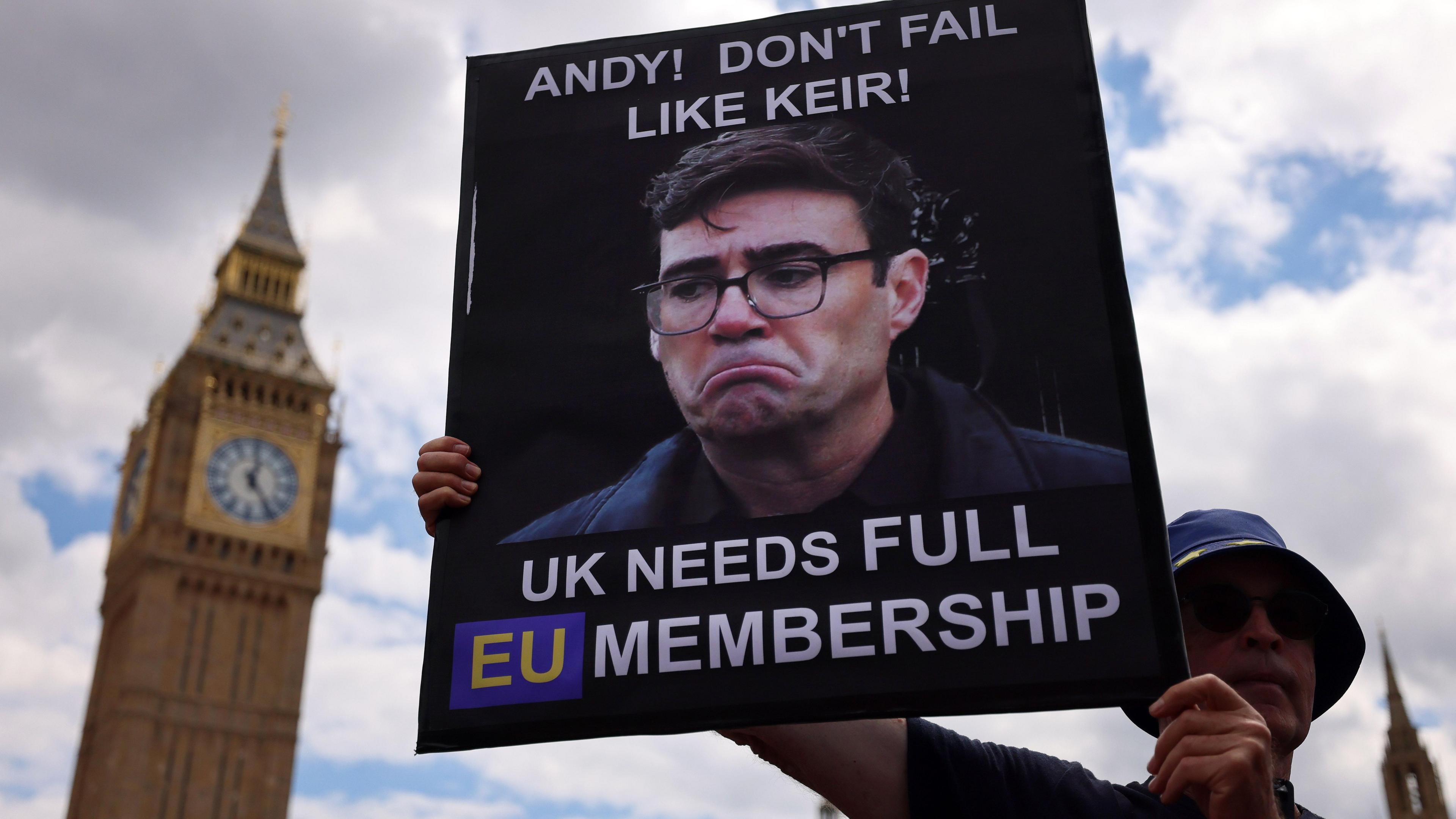 Image source, EPA
 Image source, AFP via Getty Images
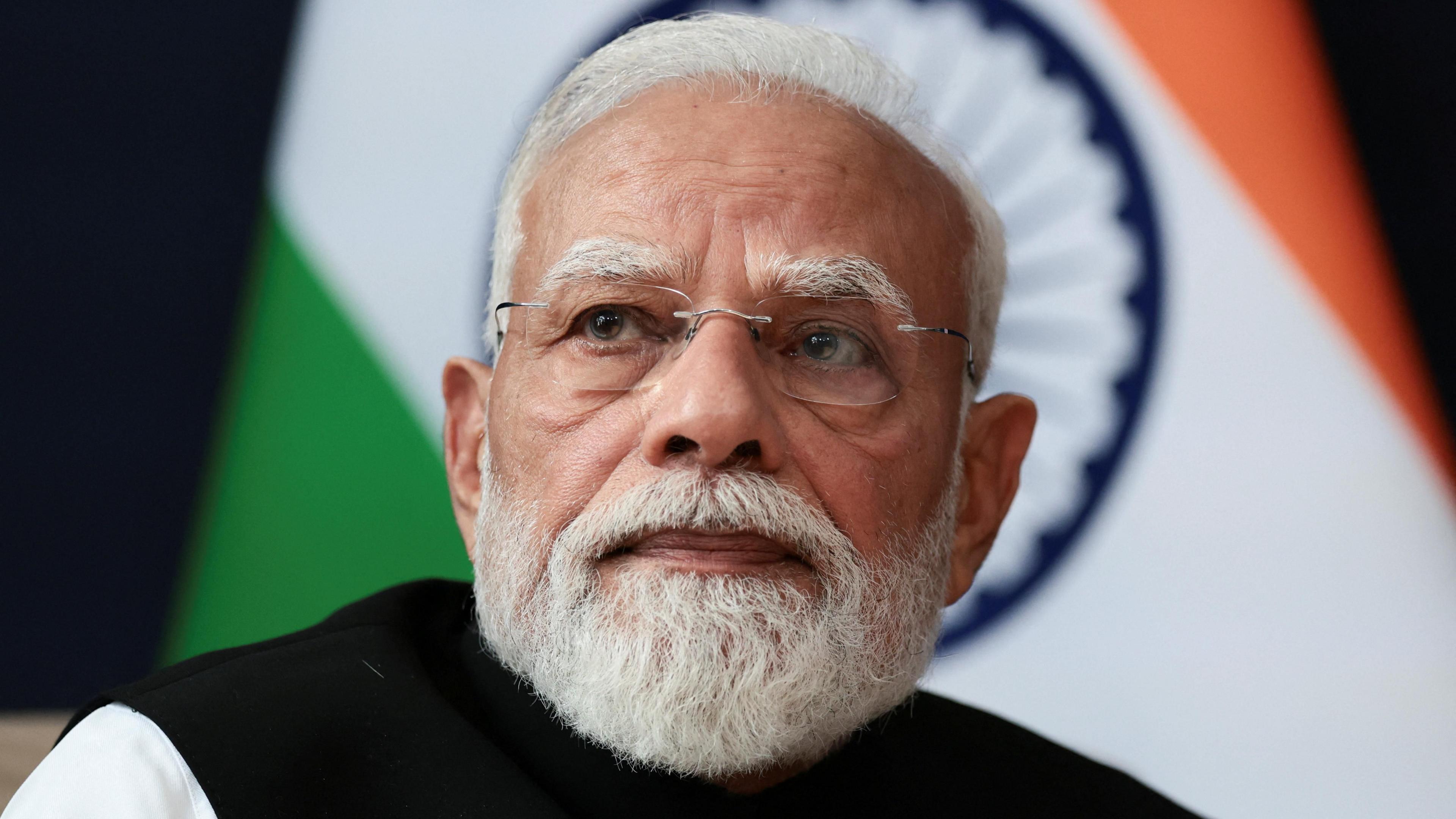 Image source, Reuters