… %!s(
All cosmetics are found as some of the "human records" around the island. They may appear as magazines, tablets, books, or newspapers that have a yellow sparkle on the ground. Interact with them and you'll get these outfits added to your collection.
Once you find and unlock an outfit, you can use the pieces separately, too. This means you can mix-and-match the Team Rocket hat with the Super Nerd button-up, if you'd like. Just interact with a mirror, and you'll be able to swap your look to whatever you want.
Notably, there are some cosmetics you can find in set locations on the main island in Pokopia, but some can only be found on the randomized Dream Islands. We've separated the two into sections below.
Here's where to find the various outfits and hairstyles in Pokémon Pokopia.
Update (Aug. 6): We've updated this guide with a list of the outfits and hairstyles we've found so far as part of the Bubbly Basin DLC. We're still missing one, but we'll update this guide when we can find it.
Where to find outfits and hairstyles in Pokopia
There are a few cosmetics you can find around the main areas in Pokopia. The cosmetics found as part of the Bubbly Basin DLC are marked as such.
|
Cosmetic |
Appearance |
Location |
|---|---|---|
|
Team Rocket outfit |

|
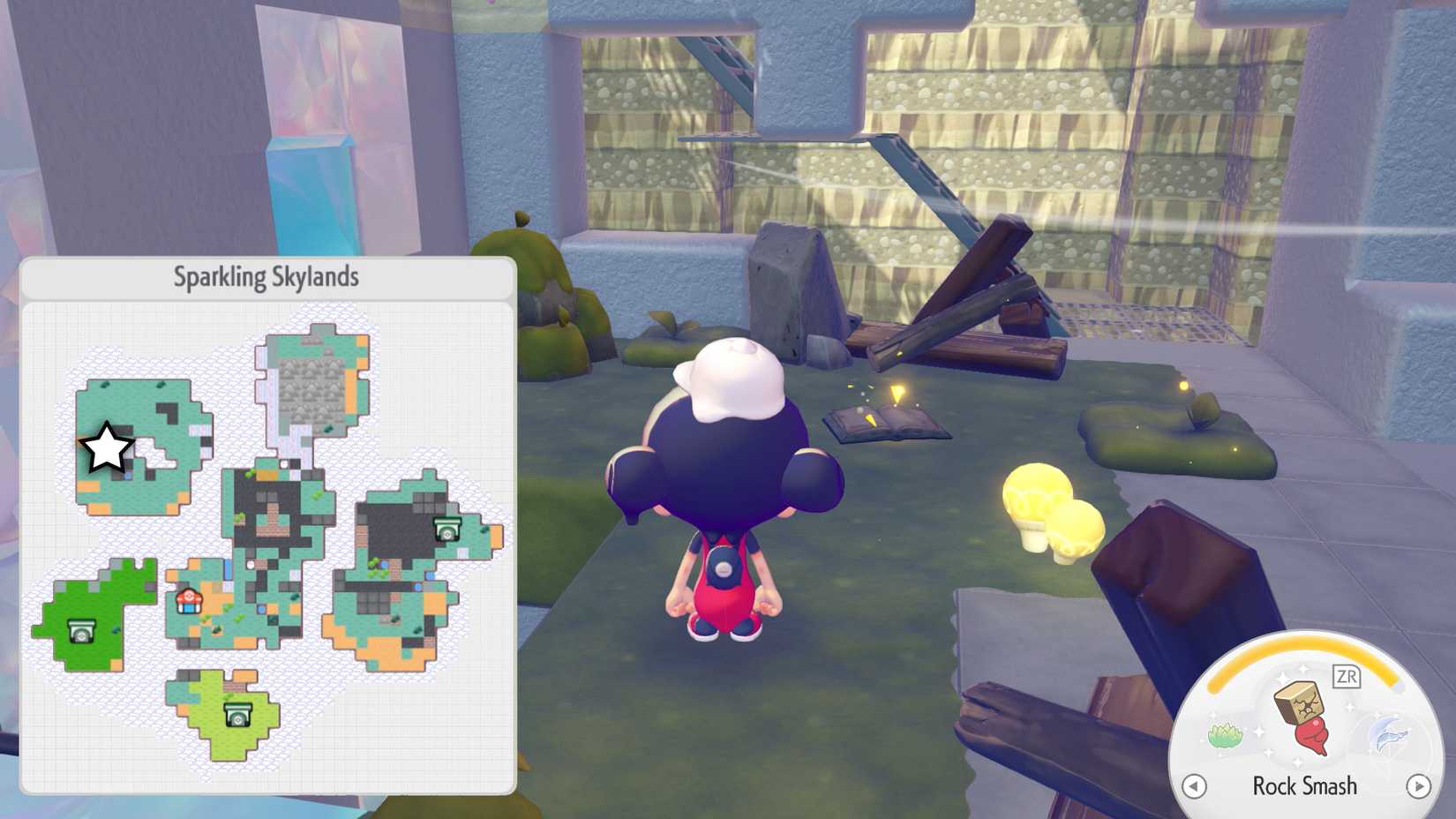
To find this book, head to the northwest island in Sparkling Skylands. You'll need to enter this building from the top and climb down the metal stairs. |
|
Rock-solid outfit |
|
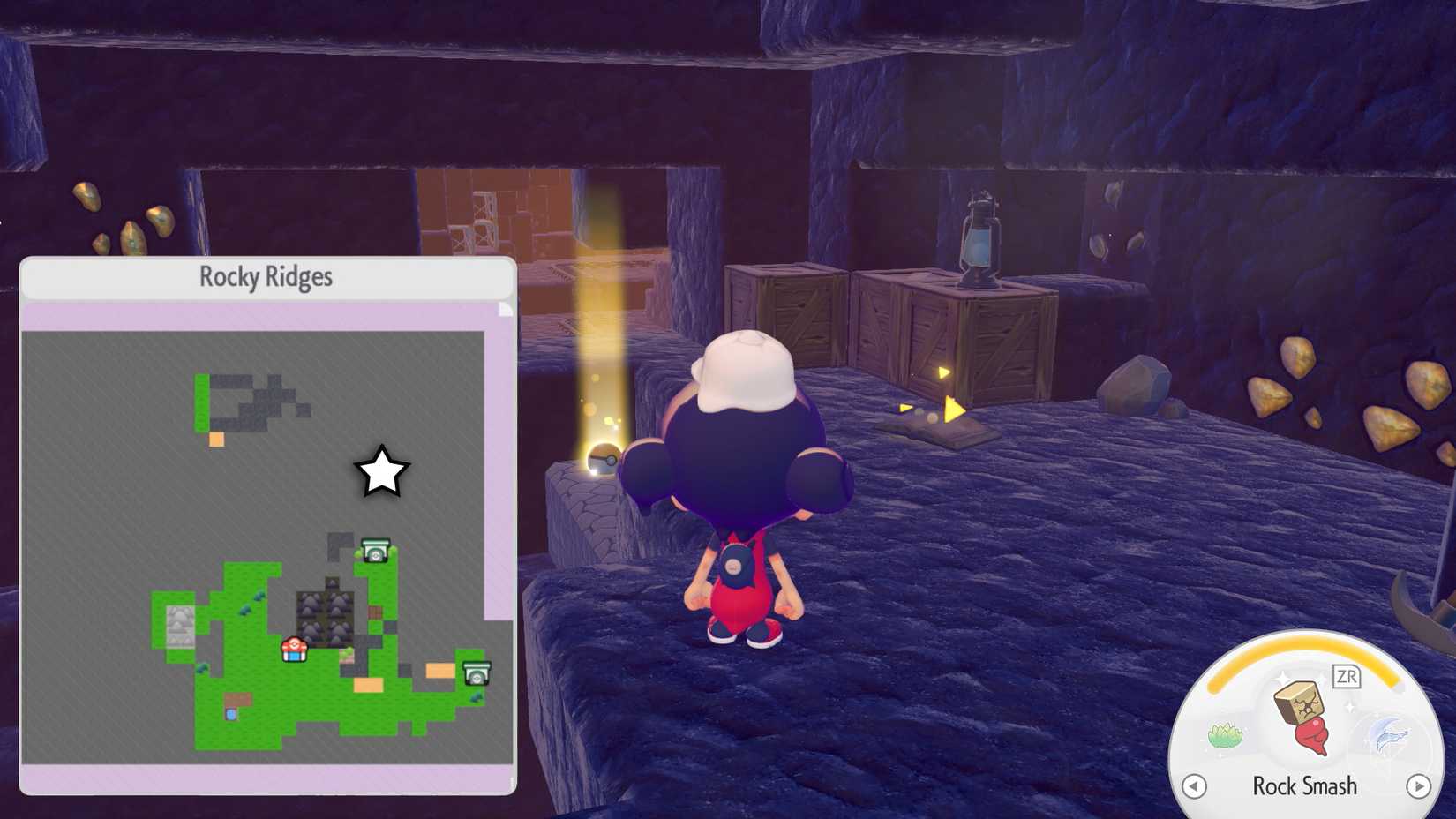
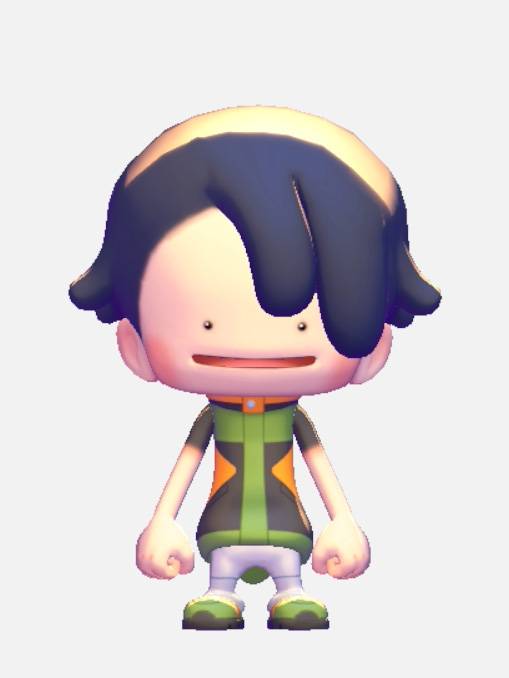
Finding this one can be tricky. You'll need to go into the mines from the entrance you meet DJ Rotom in Rocky Ridges. Head forward until you find a lava-filled room. Drop down in the opening in the middle so that you land through the stone arch. Keep going forward and then take the ladders up until you find this book on the floor. |
|
Ranger outfit |
|
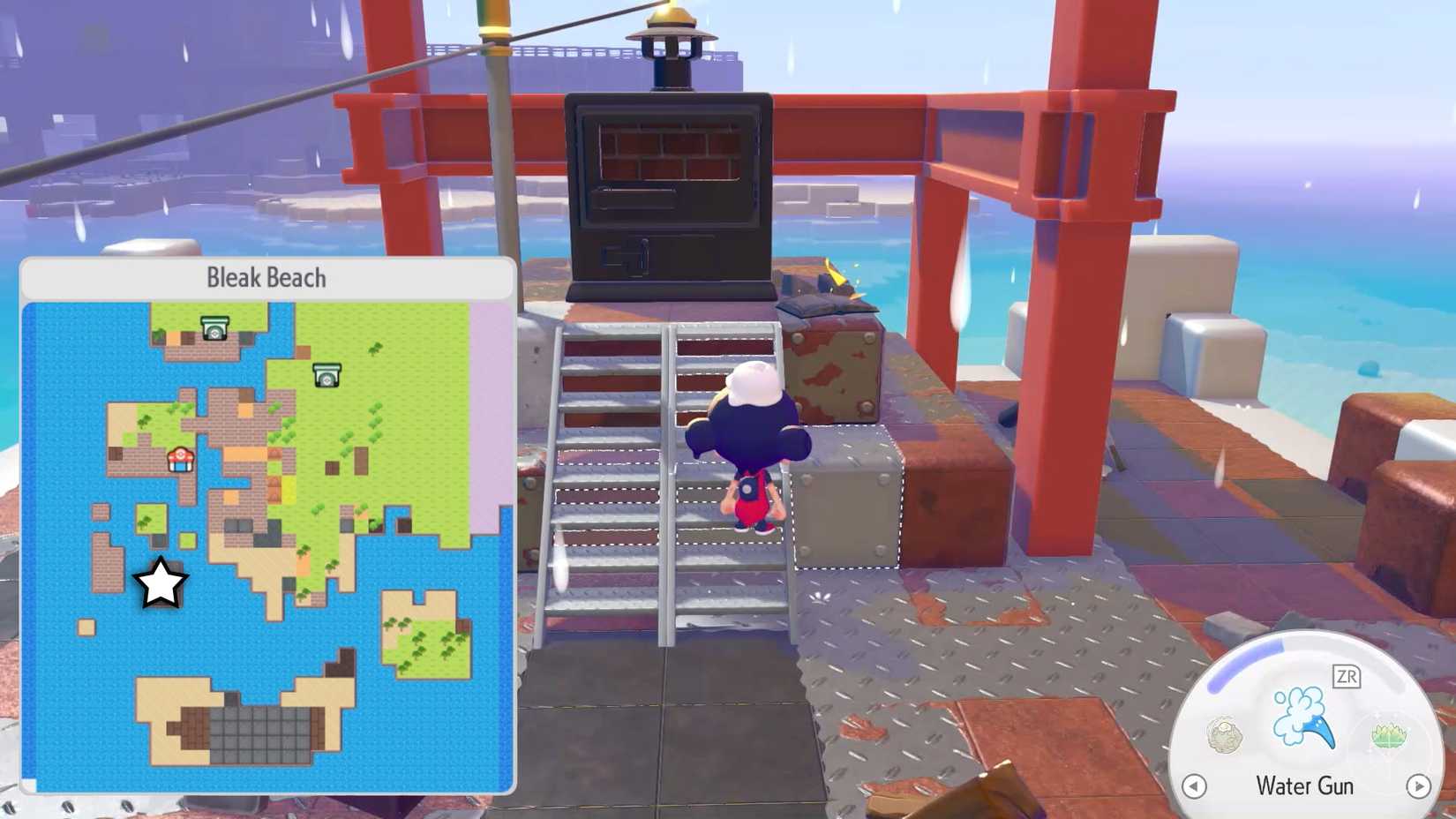
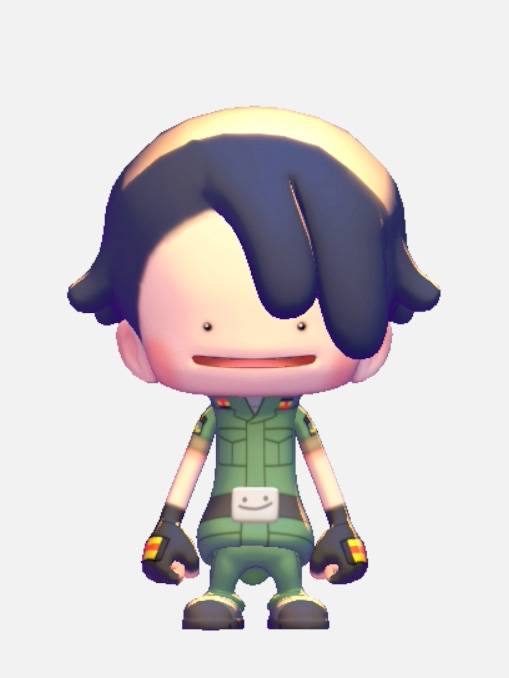
This one is right next to the furnace in the industrial ruins in Bleak Beach. |
|
Ninja outfit |
|
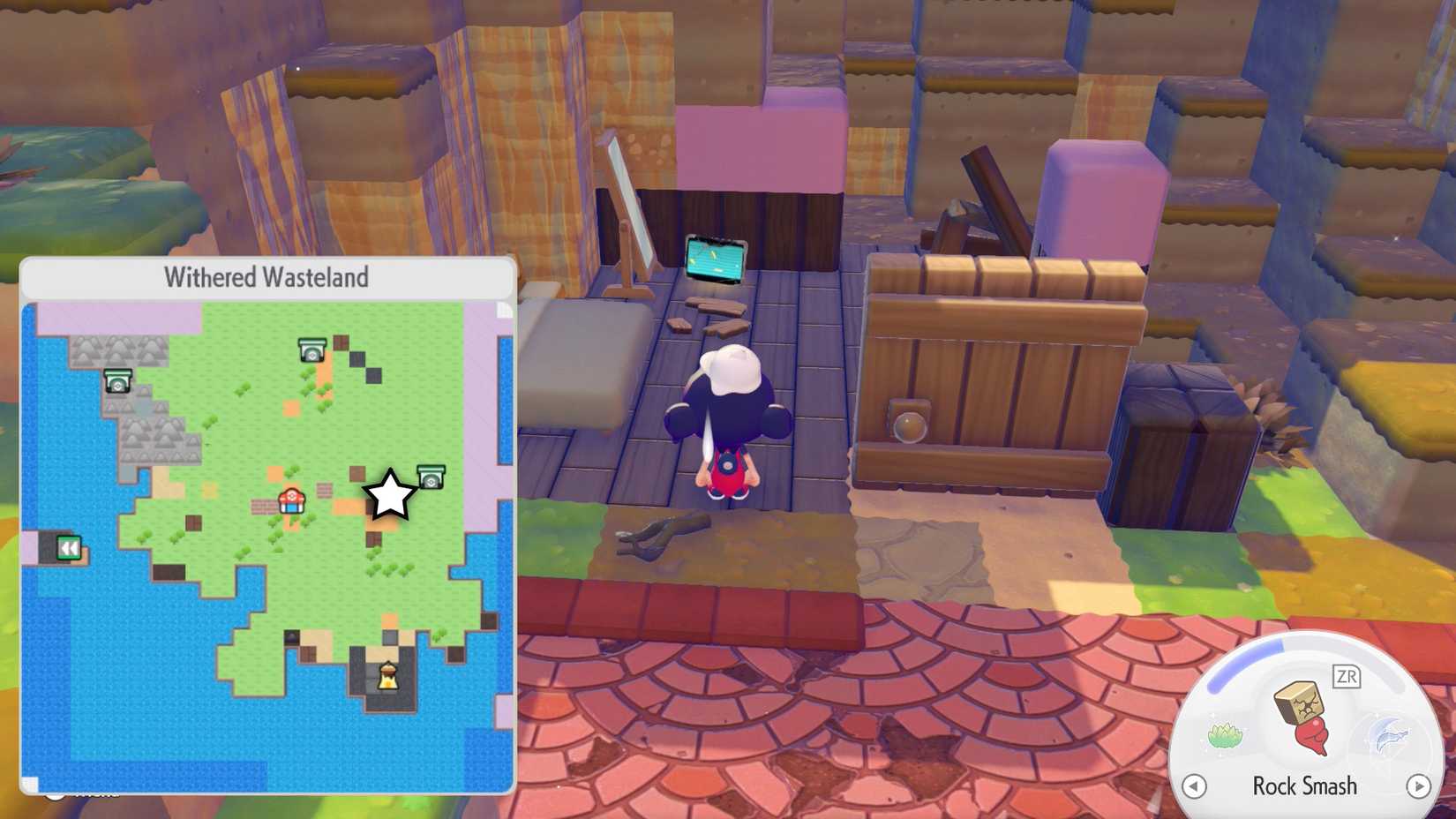
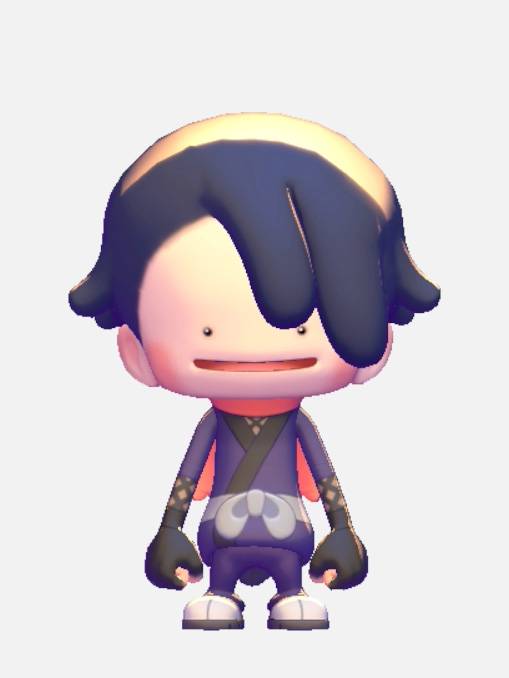
This tablet is inside a ruined home to the east of the Withered Wasteland Pokémon Center. |
|
Psychic Master outfit |
|
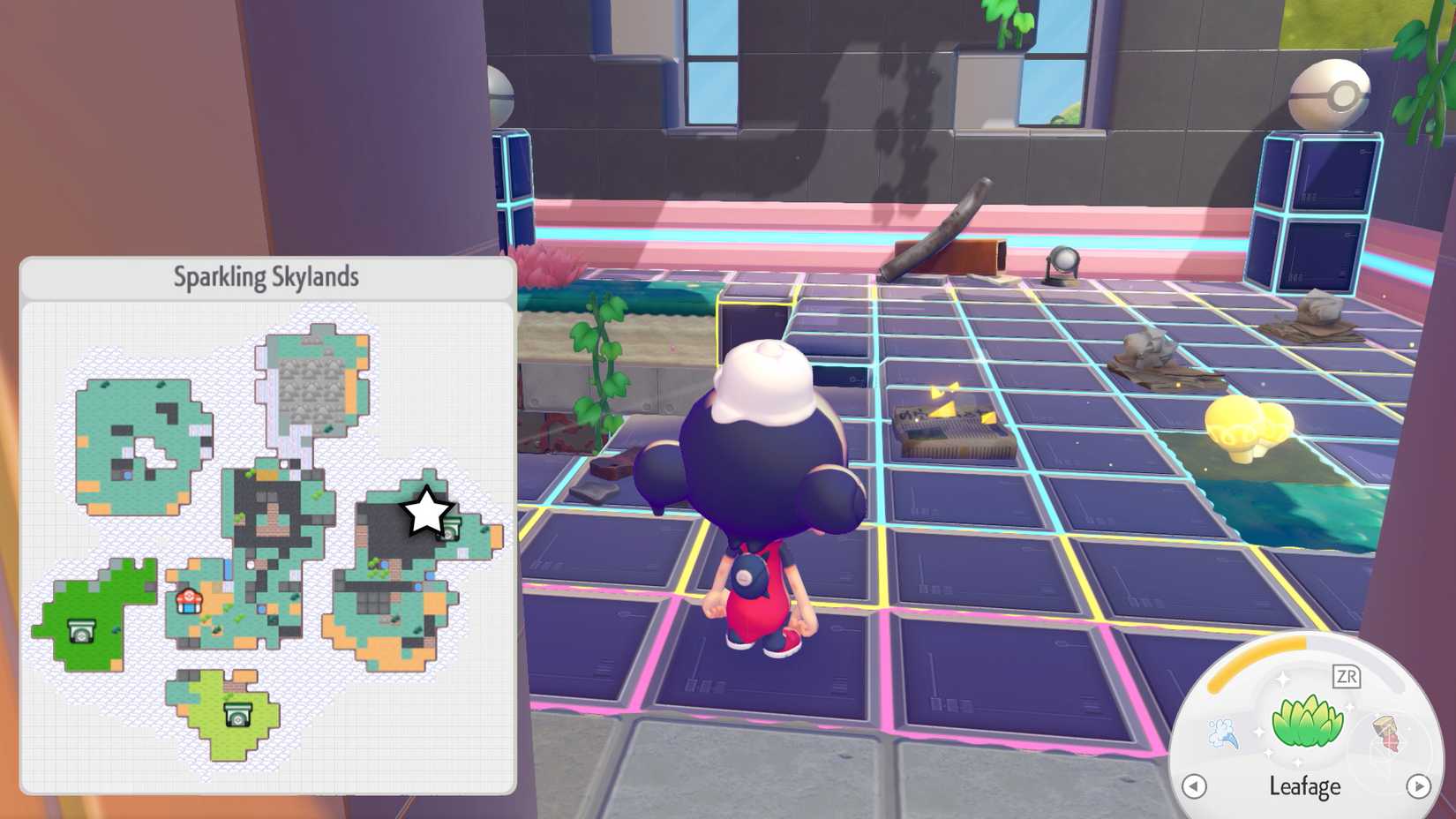
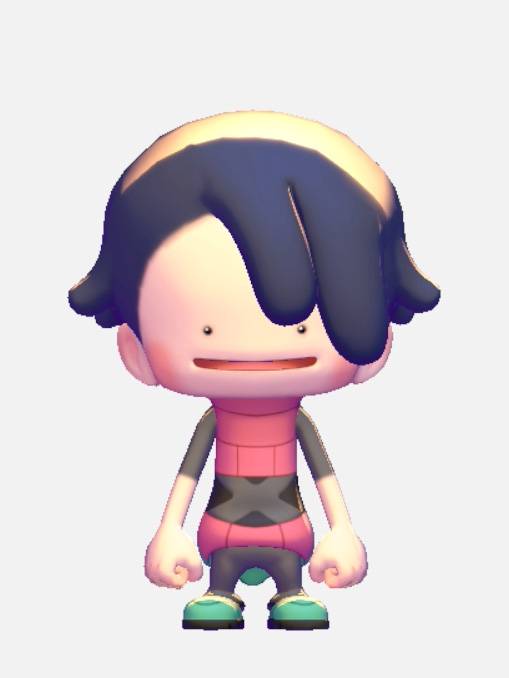
This newspaper is in Sparkling Skylands' eastern island, on the floor of the eroded gym. |
|
Black Belt outfit |
|
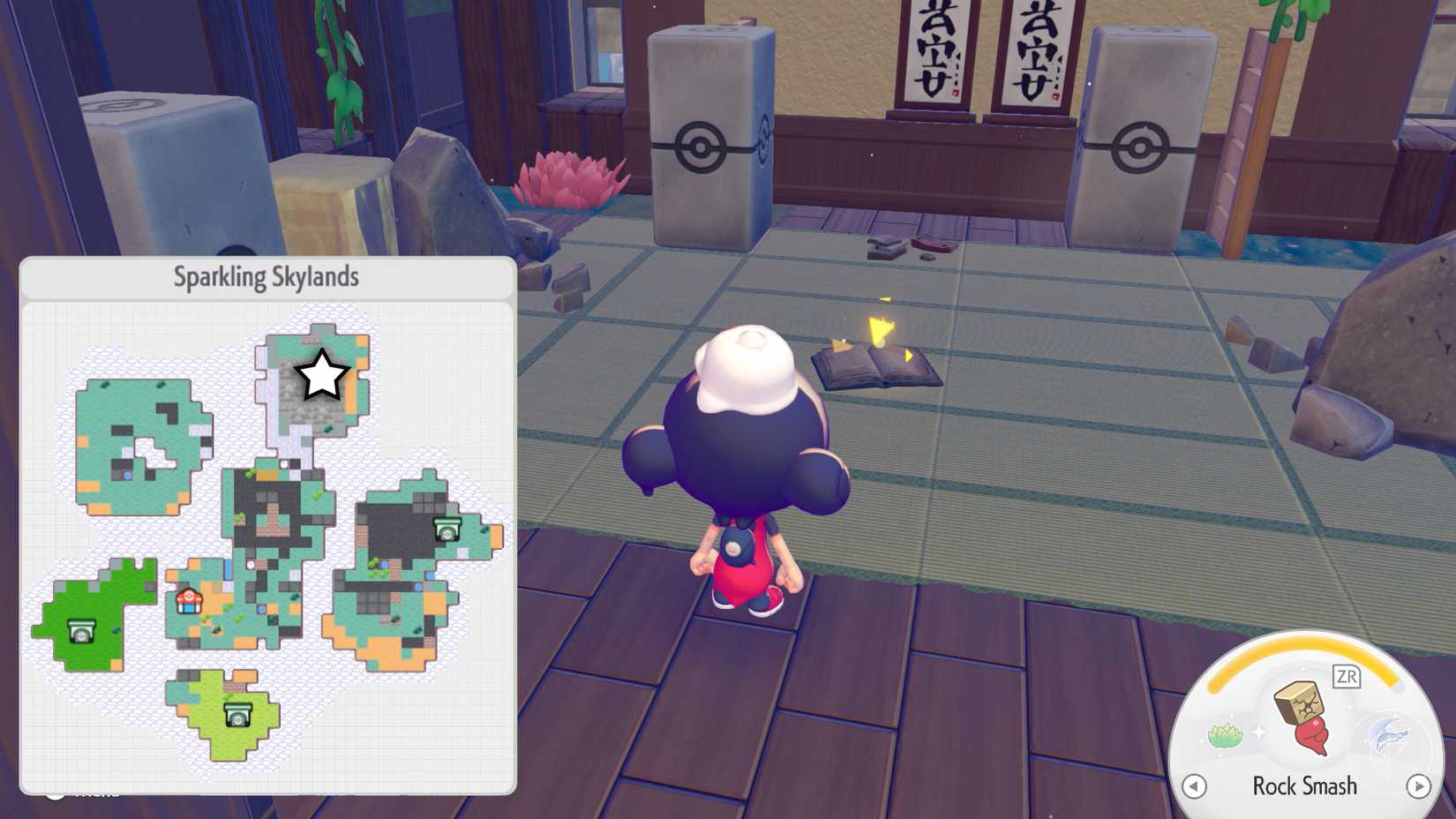
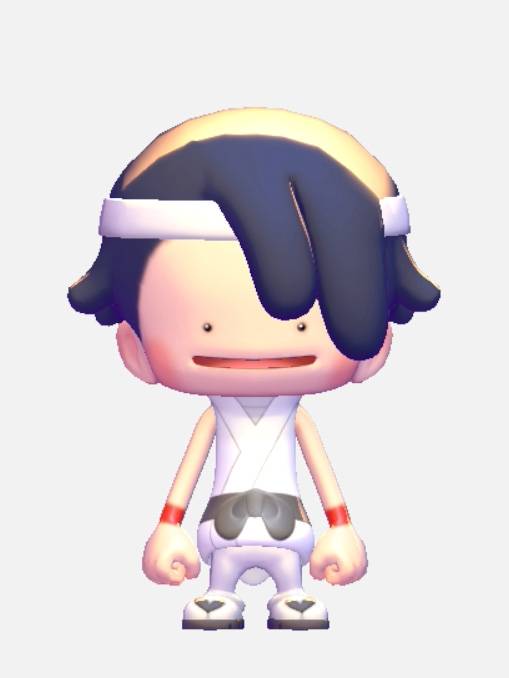
This book is on the ground of the dojo in Sparkling Skylands. You can find the dojo by going up the elevator on the northern island. |
|
Sailor outfit |
|
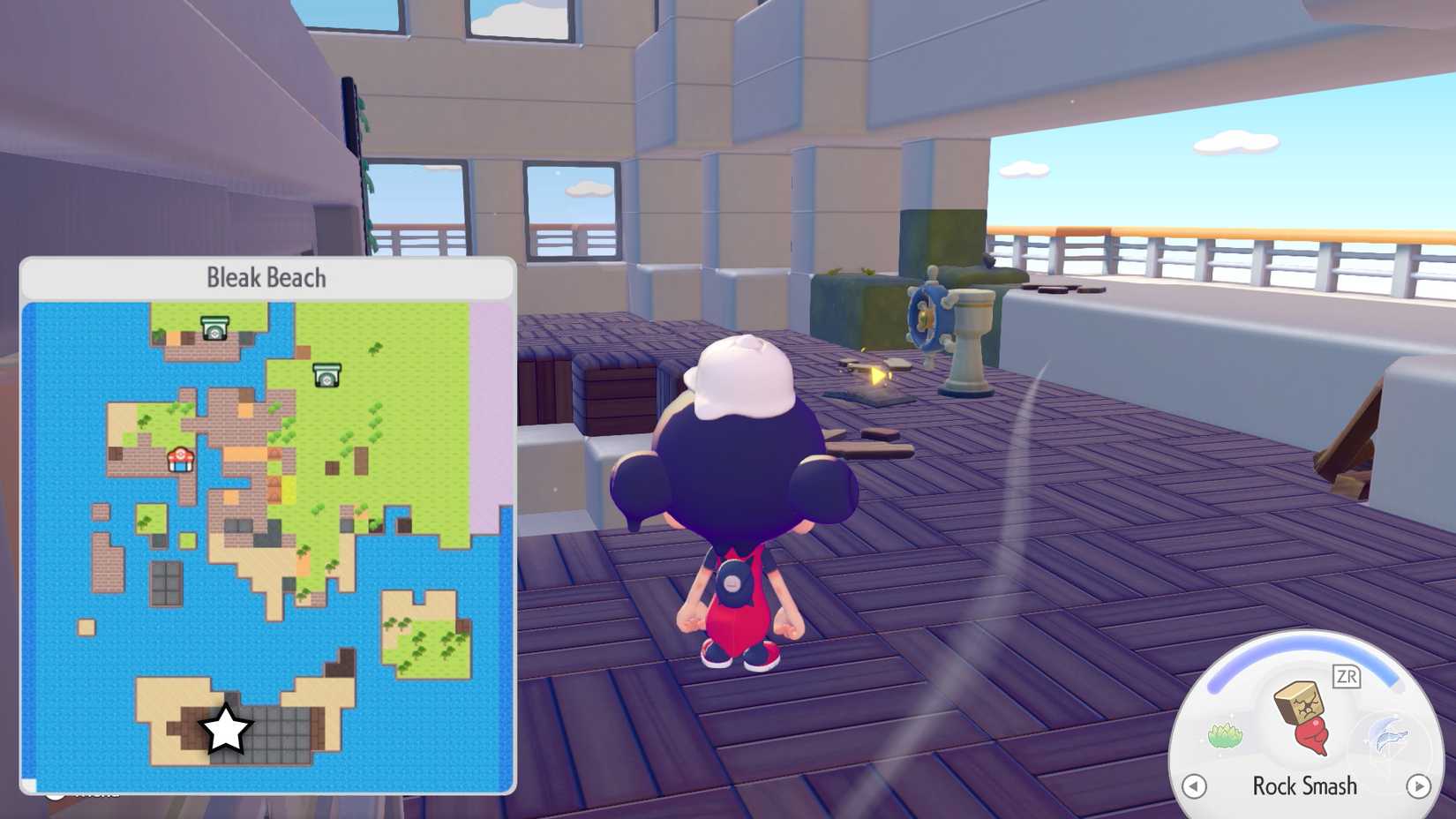
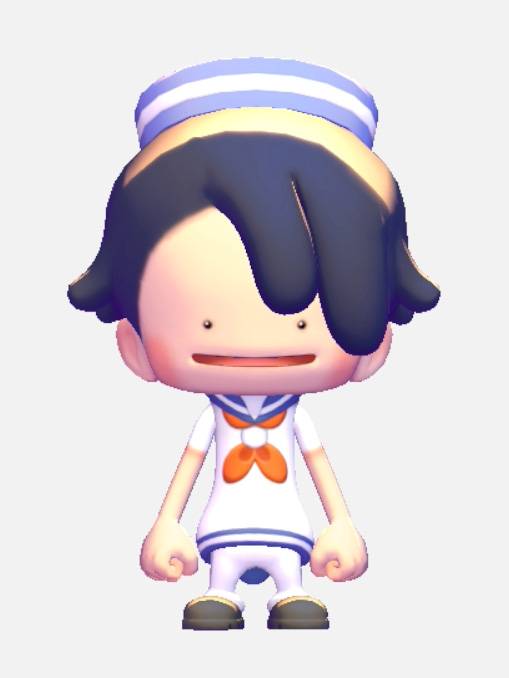
This book is on the S.S. Anne in Bleak Beach, in the bridge, where the steering wheel is. |
|
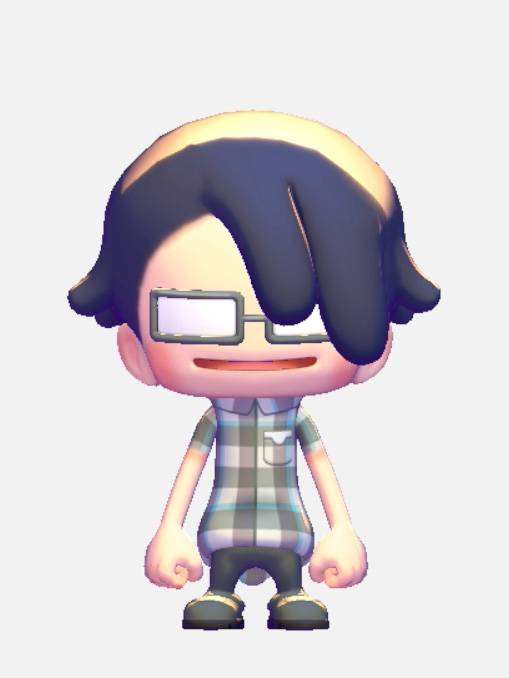
Super Nerd outfit |
|
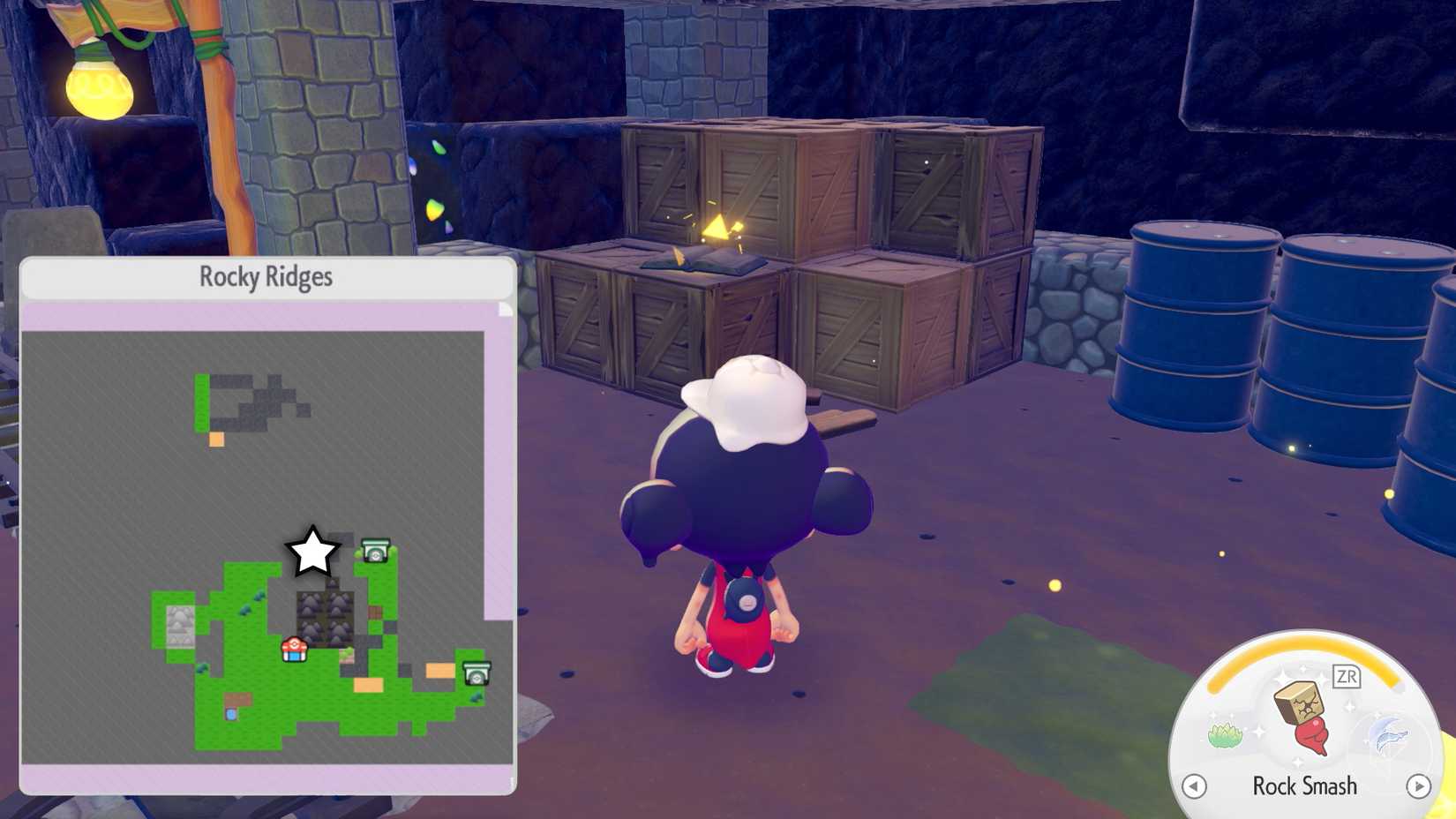
You can find this book on the path into the mines from the room you initially meet DJ Rotom in Rocky Ridges. |
|
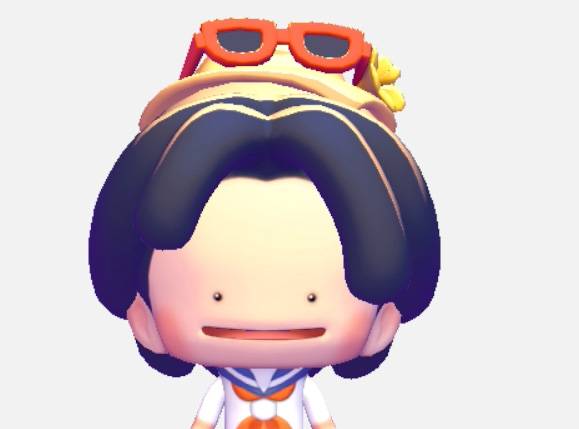
Parted hair |
|
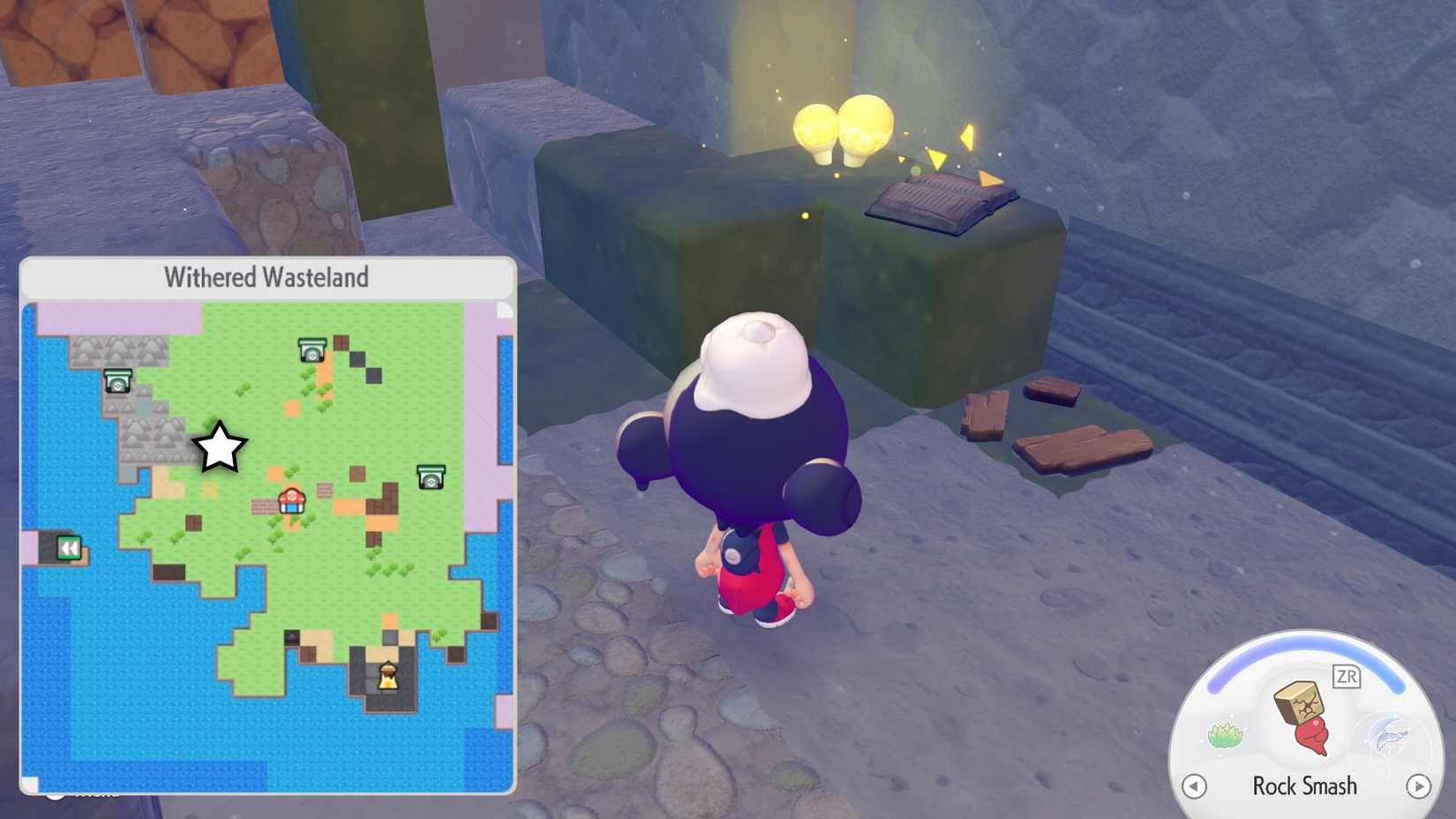
This hairstyle is inside of the cave you free Onix from in the Withered Wasteland. |
|
Mermaid hair |
|
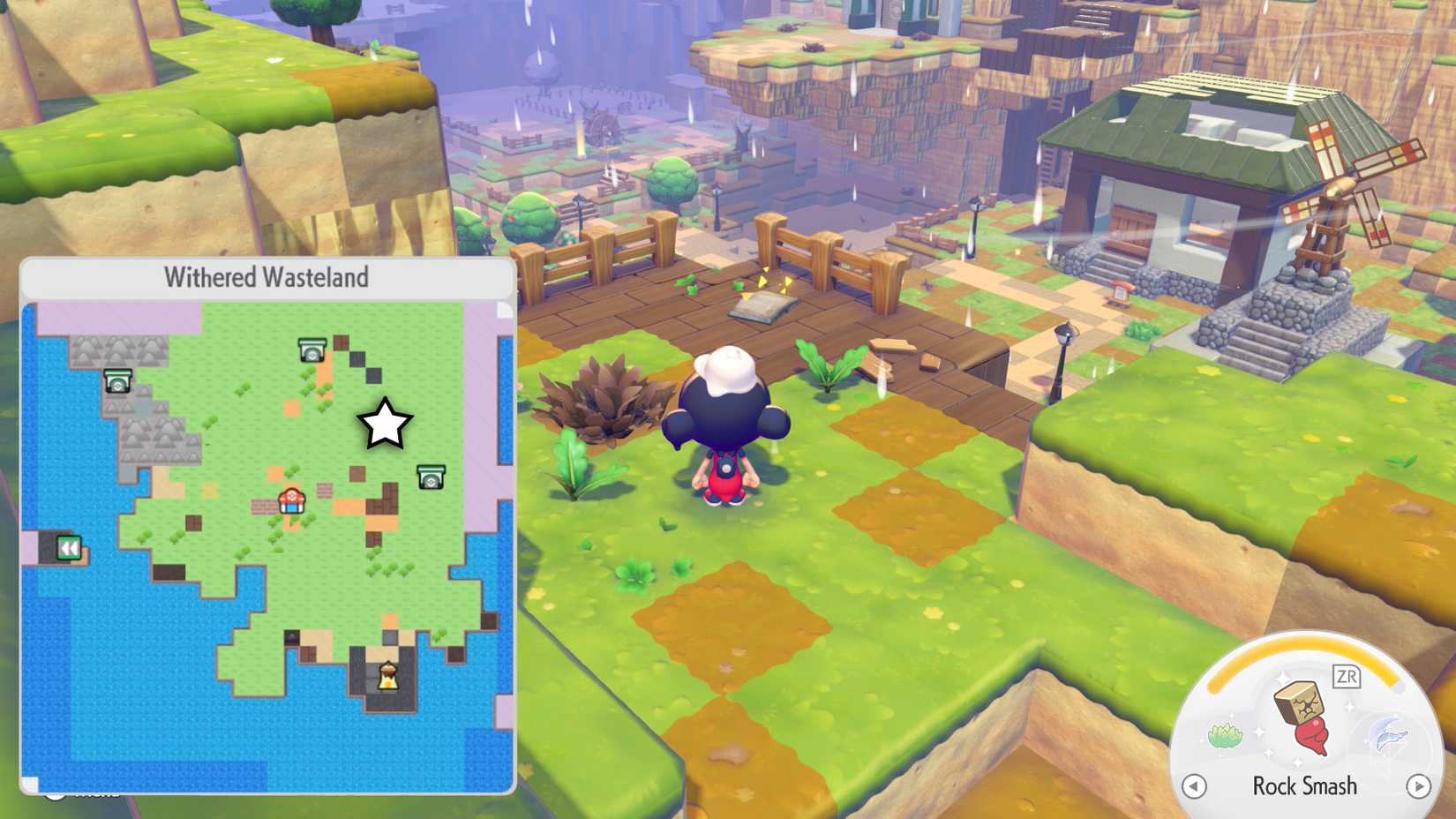
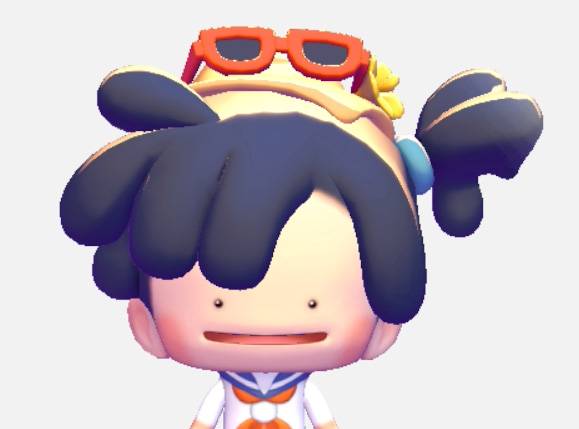
This hairstyle is on top of a cliff overlooking the ruined town to the north of the Pokémon Center in Withered Wasteland. |
|
Mermaid outfit (DLC only) |

|

From the main area in Bubbly Basin, go east, breaking the rocks blocking the path to open up a new area. Go inside the old building to find this on the left. |
|
Preschooler outfit (DLC only) |

|

This letter is on the ground near the preschool, which is directly past the bridge to the north of the main area in Bubbly Basin. |
|
Triathlete outfit (DLC only) |

|

You can find this outfit in northwest of the main Bubbly Basin area, under a gazebo. |
|
Crested hair (DLC only) |

|

This book is inside a cave above water to the east of the main area in Bubbly Basin. |
|
Ponytail (DLC only) |

|

You can find the book above the water, in a broken half of a house on the northern part of Bubbly Basin. |
Table graphic credits: Julia Lee/Polygon | Source images: Koei Tecmo, Game Freak/Nintendo, The Pokémon Company via Polygon
Dream Island outfits and hairstyles in Pokopia
There are also outfits and hairstyles you can unlock on Dream Islands. However, Dream Islands are random, and since you can only access one per day, you'll just have to test your luck to unlock them. You can time travel to get faster access to more islands, if you want to hunt for cosmetics faster.
We usually find the cosmetics behind a breakable rock wall inside of caves, in an area with a bookshelf and boxes, so keep your eye out for those breakable, brown rock blocks. Most of the goodies we found in the Bubbly Basin DLC were in these submarine-like structures.
These seem to be somewhat rare, as it took many islands to find all the outfits. (We literally found all the legendary Pokémon on these islands before running into more than four of these outfits.)
Dream Island outfits
|
Pokémon Center outfit |
Roughneck outfit |
Bird Keeper outfit |
|---|---|---|

|

|

|
|
Red outfit |
Fresh outfit |
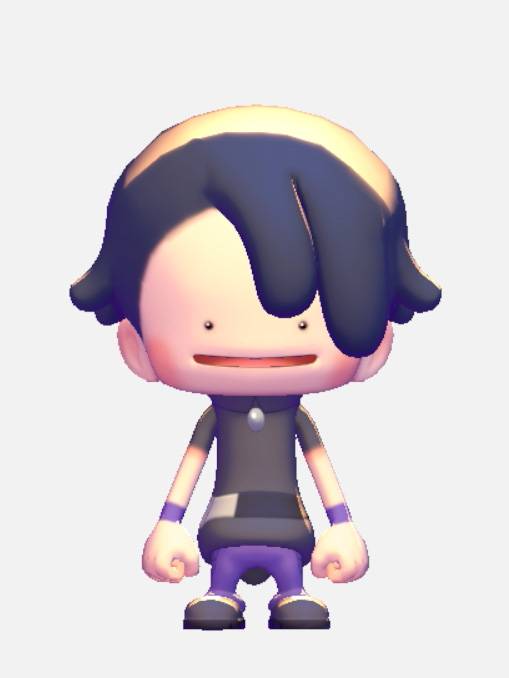
Cool outfit |

|

|
|
|
Rascal outfit |
Cozy outfit |
Sporty outfit |

|

|

|
|
Chic outfit |
Professor outfit |
Sightseer outfit |

|

|
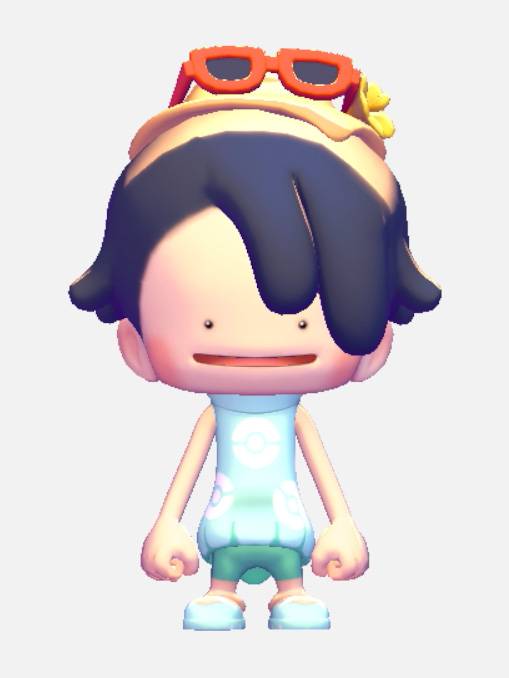
|
|
Rad outfit (DLC only) |
Cheerful outfit (DLC only) |
|

|

|
Table image credits: Koei Tecmo, Game Freak/Nintendo, The Pokémon Company via Polygon
Dream Island hairstyles
|
Curly |
Fluffy |
Winged pigtails |
|---|---|---|

|

|

|
|
Sideswept |
Simple |
Long bangs |

|

|

|
|
Messy short (DLC only) |
Side tails (DLC only) |
|

|

|
Table image credits: Koei Tecmo, Game Freak/Nintendo, The Pokémon Company via Polygon
If you're starting out in Pokémon Pokopia, we have guides to help you spruce up your island. We have both a Pokédex and Habitat Dex to assist in figuring out what can spawn where, and what you need to build to summon your favorite creatures. If you're feeling overwhelmed, you can also check out our beginner's guide for some early tips and tricks to help smooth out your journey.
We also have walkthroughs for the important requests that progress the story: "Yawn up a Storm!," "Brighten Things Up!," "Time to Party!," and "Build the Huge Building!" If you're looking to play with friends, know that there are restrictions for the regular Pokopia multiplayer and for the GameShare version. %!s(


 Image: Nintendo EPD/Nintendo via Polygon