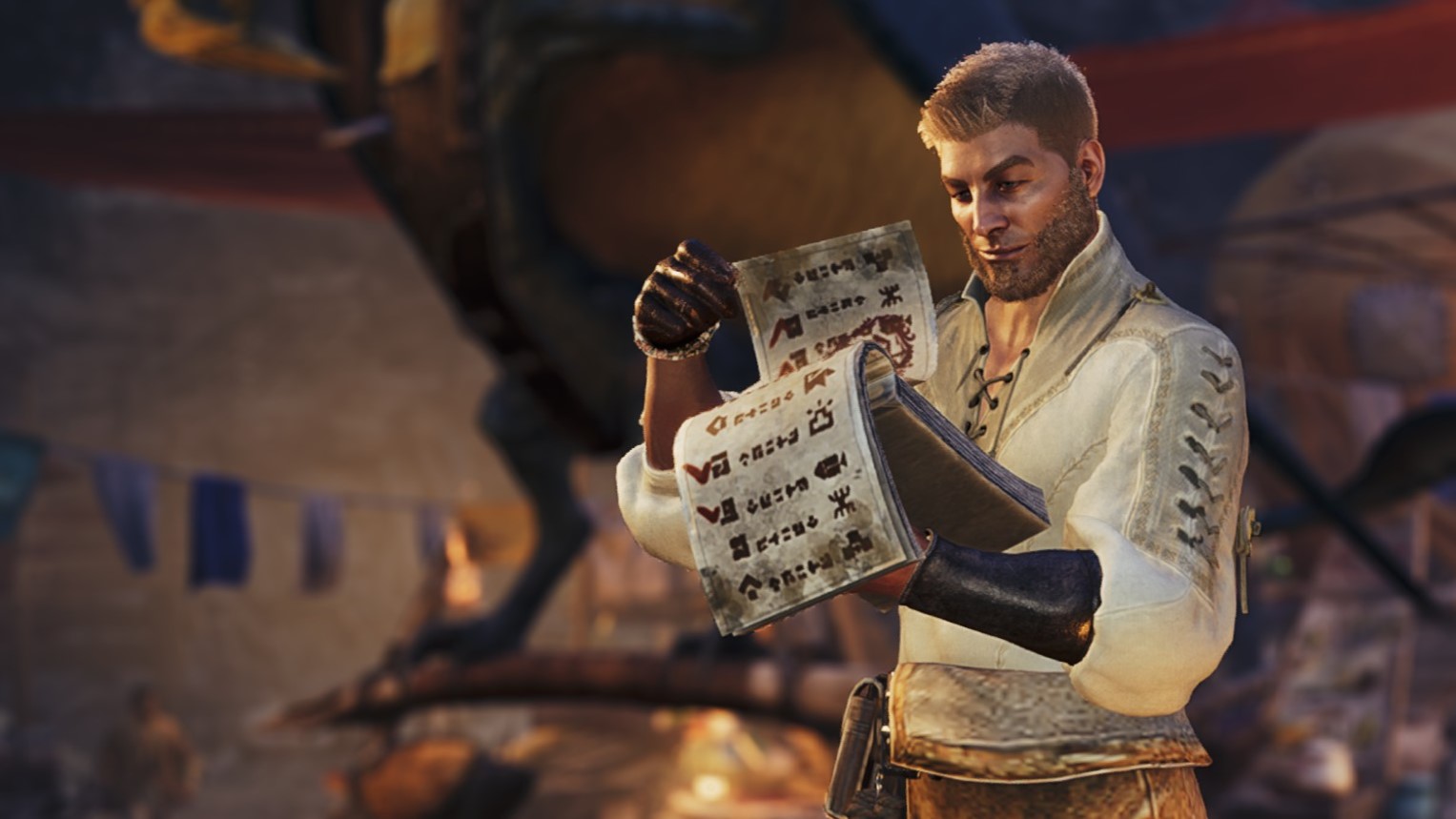
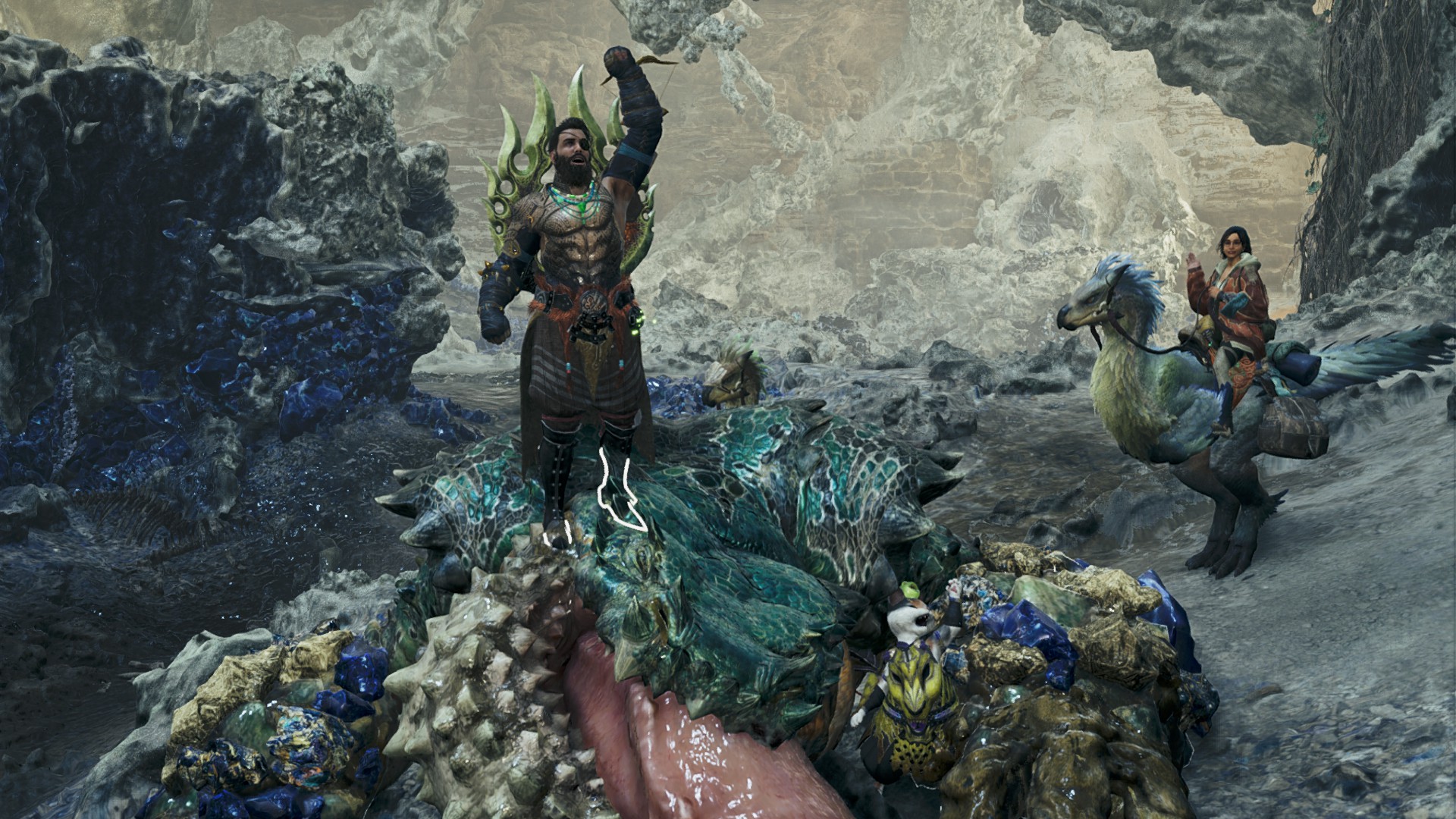
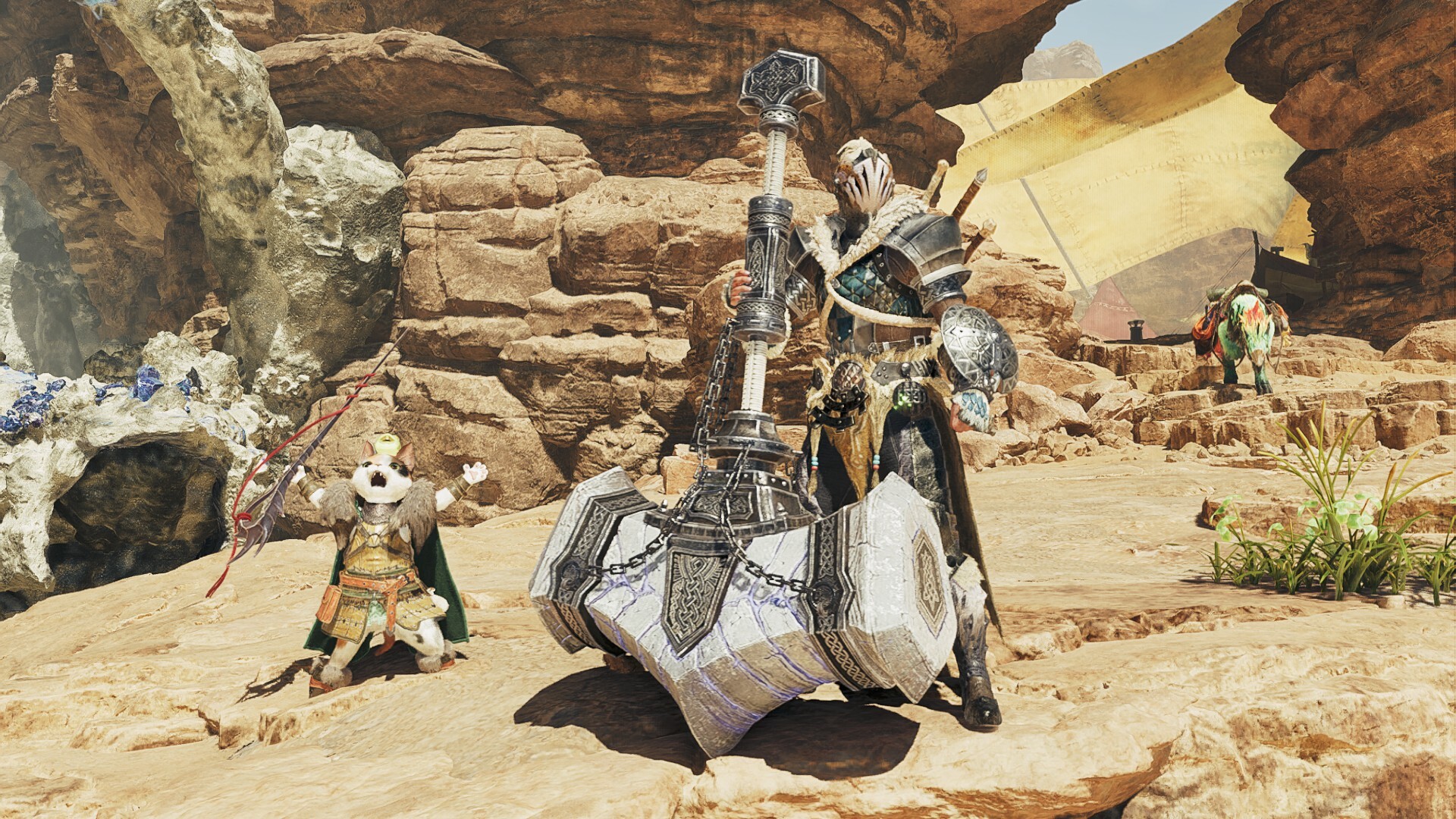
Despite a record-breaking launch in February 2025, the sales of Monster Hunter Wilds haven't been stellar since. In its second sales quarter, the newest MonHun—which was widely dinged by fans for optimization issues and creative missteps—stalled severely, and by the time 2025 ended it was getting outsold by earlier entries in the series.
… %!s()
In its latest investor Q&A, however, Capcom said it still has high hopes for Wilds: The company wants to not only improve its sales, but to eventually have Wilds surpass Monster Hunter: World as Capcom's best-selling game of all time.
(Image credit: Capcom)
Capcom told its investors that it's already seen an improvement in Wilds sales following long-awaited performance fixes in early 2026. Additionally, the company claims that it has "seen a response to" the reveal of the upcoming Ascendance expansion and the recent Wilds price drop.
"We plan to continue improving the game’s technical performance as we aim to drive its total unit sales beyond those of Monster Hunter: World over the medium to long term," Capcom said.
It's an ambitious goal, because Wilds will need to cover a wide—and still widening—sales gap to get there. According to its latest quarterly report, Monster Hunter: World has sold over 30 million units since launch, and still managed to sell over 780,000 copies in the last quarter despite being over eight years old.
(Image credit: Capcom)
While Wilds' impressive launch has given it a nice headstart on its total sales figures—as of March 31, 2026, it's sold 11.4 million units—its rate of sales has plummeted so dramatically that, unlike World, it's not even represented on Capcom's best-seller ranking for the last quarter. Even with Wilds in a sound(er) technical state, the eight-year-old World is still seen as the best entry point into the series—it remains the only Monster Hunter on our Top 100 list.
That said, there are factors that could work in Wilds' favor. Its upcoming Switch 2 port could be a big deal for folks who only game with Nintendo, and if Ascendance is anywhere near as good as World's Iceborne and Rise's Sunbreak, it could secure Wilds' long-term reputation like those earlier expansions did for their respective Monster Hunter entries.
Still, a disparity of 19 million sales makes for a pretty big if.
Keep up to date with the most important stories and the best deals, as picked by the PC Gamer team.
Lincoln has been writing about games for 12 years—unless you include the essays about procedural storytelling in Dwarf Fortress he convinced his college professors to accept. Leveraging the brainworms from a youth spent in World of Warcraft to write for sites like Waypoint, Polygon, and Fanbyte, Lincoln spent three years freelancing for PC Gamer before joining on as a full-time News Writer in 2024, bringing an expertise in Caves of Qud bird diplomacy, getting sons killed in Crusader Kings, and hitting dinosaurs with hammers in Monster Hunter. %!s()
When the nominations for the 78th Primetime Emmy Awards landed July 8, most of the focus went to the giants — “The Pitt” and “Hacks,” which both led the field. But scattered across the acting categories is a quieter story with seven performers who are the only Emmy nominees their show could claim.
… %!s()
We call them the solo nominees: Riz Ahmed (“Bait”), Richard Gadd (“Half Man”), Steve Carell (“Rooster”), Yahya Abdul-Mateen II (“Wonder Man”), Colman Domingo (“The Four Seasons”), Billy Crudup (“The Morning Show”) and Chase Infiniti (“The Testaments”). Each carries a series that drew a single Emmy bid, and it’s the largest such class since 2015, when 11 performers stood alone for their shows.
Can any of them win?
History says yes, but it’s rare and never easy.
Across the annals of the Emmys, 71 performers have won an acting trophy while serving as their show’s lone nominee. The most recent was Mark Ruffalo, who took lead actor in a limited series for HBO’s “I Know This Much Is True” in 2020. Others, like Regina King (“Seven Seconds,” 2018) and Louie Anderson (“Baskets,” 2016), also belong to the same club. But of those 71, there have been only 12 such wins since 2000.
The breakdown reveals a pattern.
Five categories have had the most solo winners in Emmy history with seven solo winners each: lead comedy actress, lead drama actress, supporting drama actress, supporting drama actor and supporting actress in a limited series.
The tally skews heavily toward women and supporting roles. The lowest counts belong to the male lead categories, where winners tend to emerge from heavily nominated prestige series rather than one-off showcases.
What also makes the solo wins remarkable is who these winners had to beat.
Of the 71, a full 61 (86%) defeated at least one rival from a show that was nominated for its genre’s top series prize. And 30 of them — or 42% — beat an actor from the show that went on to win drama, comedy or limited series.
Some notable recent upsets include Ruffalo’s win over Jeremy Irons of “Watchmen,” that year’s limited-series champion. A beloved comedian like Anderson toppled Tony Hale and Matt Walsh of “Veep” the year the political satire ruled comedy. Even Lisa Kudrow’s Phoebe Buffay from “Friends” beat “Frasier’s” Jane Leeves in 1998 as “Frasier” claimed the top comedy prize.
This brings us back to this year’s seven.
The steepest climbs belong to the comedy leads. Carell and Abdul-Mateen II must both get past Matthew Rhys (“Widow’s Bay”) and Martin Short (“Only Murders in the Building”), each from a comedy-series nominee.
Riz Ahmed in “Bait”
Courtesy of Amazon Prime Video
Ahmed — already a winner in his category for “The Night Of ” in 2017 — faces a limited-actor field stacked with series muscle: Oscar Isaac from “Beef,” which pulled 16 nominations, and Rhys again for “The Beast in Me.”
Infiniti may have the hardest road of all. Her lead drama actress category includes Carrie Coon (“The Gilded Age”), Keri Russell (“The Diplomat”) and two-time winner Zendaya (“Euphoria”) — all three star are on drama series nominees — with Rhea Seehorn a heavy favorite for Apple TV’s “Pluribus.”
For a first-time nominee, the seat at the table may be the reward.
Domingo, a double nominee this year thanks to a second nod for “Euphoria,” at least arrives with momentum. Gadd, fresh off “Baby Reindeer,” and Crudup, a past winner for “The Morning Show,” round out a pedigreed group that must contend with front-running series to nab gold.
In 2010, seven solo nominees went home empty-handed. So a big solo class does not guarantee a solo winner — but maybe this time, someone’s lucky number will be one.
This week’s updated Emmy winner predictions are below.
Drama Series: “The Pitt” (HBO Max) Comedy Series: “Widow’s Bay” (Apple TV) Limited or Anthology Series: “Beef” (Netflix) Outstanding Movie: “Remarkably Bright Creatures” (Netflix) Lead Actor (Drama): Noah Wyle, “The Pitt” (HBO Max) Lead Actor (Comedy): Matthew Rhys, “Widow’s Bay” (Apple TV) Lead Actor (Limited/Movie): Oscar Isaac, “Beef” (Netflix) Lead Actress (Drama): Rhea Seehorn, “Pluribus” (Apple TV) Lead Actress (Comedy): Jean Smart, “Hacks” (HBO Max) Lead Actress (Limited/Movie): Carey Mulligan, “Beef” (Netflix) Supporting Actor (Drama): Tom Pelphrey, “Task” (HBO Max) Supporting Actor (Comedy): Stephen Root, “Widow’s Bay” (Apple TV) Supporting Actor (Limited/Movie): David Harbour, “DTF St. Louis” (HBO Max) Supporting Actress (Drama): Katherine LaNasa, “The Pitt” (HBO Max) Supporting Actress (Comedy): Kate O’Flynn, “Widow’s Bay” (Apple TV) Supporting Actress (Limited/Movie): Dakota Fanning, “All Her Fault” (Peacock) Guest Actor (Drama): Colman Domingo, “Euphoria” (HBO Max) Guest Actress (Drama): Brittany Allen, “The Pitt” (HBO Max) Guest Actor (Comedy): Rob Reiner, “The Bear” (FX) Guest Actress (Comedy): Betty Gilpin, “Widow’s Bay” (Apple TV) Variety Series: “The Daily Show” (Comedy Central), “Jimmy Kimmel Live!” (ABC), “Last Week Tonight with John Oliver” (HBO Max) and “The Late Show With Stephen Colbert” (CBS) Variety Special (Live): “The Apple Music Super Bowl LX Halftime Show Starring Bad Bunny” (NBC) Variety Special (Pre-Recorded): “The Muppet Show” (Disney+) Directing (Drama): Vince Gilligan, “Pluribus” (Apple TV) — “We Is Us” Directing (Comedy): Hiro Murai, “Widow’s Bay” (Apple TV) — “Welcome to Widow’s Bay!” Directing (Limited/Movie): Lee Sung Jin, “Beef” (Netflix) — “Oh, the Comfort, the Inexpressible Comfort” Directing (Documentary/Nonfiction): Mariska Hargitay, “My Mom Jayne: A Film by Mariska Hargitay” (HBO Max) Directing (Variety Series): Yvonne De Mare, “The Late Show With Stephen Colbert” (CBS) — “The Late Show with Stephen Colbert Series Finale” Directing (Variety Special): Hamish Hamilton, “The Apple Music Super Bowl LX Halftime Show Starring Bad Bunny” (NBC) Directing (Reality Program): Cian O’Clery, “Love on the Spectrum” (Netflix) — “Episode 1” Writing (Drama): “Task” (HBO Max) — “A Still Small Voice” by Brad Inglesby Writing (Comedy): “Hacks” (HBO Max) — “Hacks (Finale)” by Lucia Aniello, Paul W. Downs and Jen Statsky Writing (Limited/Movie): “DTF St. Louis” (HBO Max) by Steven Conrad Writing (Variety Series): “The Late Show With Stephen Colbert” (CBS) Writing (Variety Special): “The Muppet Show” (Disney+) by Albertina Rizzo, Gabe Liedman, Nedaa Sweiss, Kelly Younger and Andrew Williams Writing (Nonfiction): “The Daily Show Presents: Jordan Klepper Fingers the Pulse: Give the Man a Prize” (Comedy Central) Game Show: “Jeopardy!” (ABC) Host (Reality or Reality Competition): Jeff Probst, “Survivor” (CBS) Host (Game Show): Martin Short, “Match Game” (ABC) Competition Program: “Survivor” (CBS) Structured Reality Program: “Love is Blind” (Netflix) Unstructured Reality Program: “Love on the Spectrum” (Netflix) Documentary or Nonfiction Special: “My Mom Jayne: A Film by Mariska Hargitay” (HBO Max) Documentary or Nonfiction Series: “Sean Combs: The Reckoning” (Netflix) Hosted Nonfiction Series or Special: “My Next Guest Needs No Introduction With David Letterman” (Netflix) Exceptional Merit in Documentary Filmmaking: “The Librarians” (PBS) Animated Program: “South Park” (Comedy Central) — “Sermon on the ‘Mount” %!s()
Disney+ has ordered a pilot for a “Spaceship Earth” TV series inspired by the EPCOT ride of the same name.
Jason Fuchs is attached to serve as showrunner and executive producer via Five Ten Productions, with Michael Waldon also executive producing under his Anomaly Pictures banner. Lee Toland Krieger (“You,” “Riverdale,” “Shadow & Bone”) will executive produce and direct the pilot. Adam Fishbach (“Love, Victor,” “The Other Black Girl”) is also an executive producer, as is Adam Fasullo of Anomaly Pictures. 20th Television, where Anomaly and Fishbach are under overall deals, will produce.
… %!s()
The logline for the pilot states, “When a mission to avert an imminent global cataclysm goes awry, a small band of teenagers from Earth’s past and future must join forces to confront a threat as vast and mysterious as time itself.”
Casting for the pilot is now underway.
Spaceship Earth has been a central part of EPCOT since the park opened in 1982, housed in the iconic geodesic sphere that has come to symbolize EPCOT. It has undergone a number of changes and updates in that time, but has continued to focus on the history of communication and highlights major breakthroughs like the invention of mass communication devices including the radio and telephones as well as the internet.
Should the pilot go to series, it would be the latest onscreen project based on a Disney theme park ride. Most famously, Disney produced the “Pirates of the Carribean” film franchise, which has grossed over $4.5 billion worldwide. Other films based on Disney rides include “Haunted Mansion,” “Country Bear Jamboree,” and “Jungle Cruise.”
Disney had previously attempted to launch an interconnected universe of projects based on The Magic Kingdom, beginning with a “Society of Explorers and Adventurers” TV series from Ronald D. Moore, though none of those ever moved forward.
Fuchs was most recently the co-creator, co-showrunner, and executive producer on the HBO Max series “IT: Welcome to Derry,” which aired its first season in late 2025. He is currently writing a live-action feature adaptation of “My Hero Academia” for Netflix and Legendary. His past writing credits include “Argylle,” “Wonder Woman,” and “Ice Age: Continental Drift.”
Waldron is best known for his work in the Marvel Cinematic Universe, having written the screenplay for “Doctor Strange in the Multiverse of Madness” and also for developing the Disney+ Marvel series “Loki.” Up next, he is the co-writer of “Avengers: Doomsday.” He was also the creator of the Starz pro wrestling drama “Heels,” recently co-created the Hulu series “Chad Powers” starring Glen Powell, and served as a writer on “Rick and Morty.”
Fuchs is repped by WME and Goodman Genow. Waldron is repped by CAA, Untitled Entertainment and Goodman Genow. Krieger is repped by UTA and Davis Law Group.
This marks the latest in a growing string of pilot orders at Disney+. The streamer recently announced a pilot pickup for a reboot of “The Mickey Mouse Club” as well as pilots for shows based on “The Last Kids on Earth” and the movie “Aquamarine.” Disney+ also recently picked up a series based on “Afterlife with Archie,” which had previously received a script-to-series committment. %!s()
You're currently following this author!
Want to unfollow? Unsubscribe via the link in your email.
Sydney Towle, who walked the Chemo Club x Post Swim runway show during Miami Swim Week, died at 26 from a rare bile duct cancer.
Thomas Concordia/Getty Images for Miami Swim Week: The Shows
…
Sydney Towle, 26, died on August 5 from a rare, aggressive cancer.
One day later, her brother, Austin Towle, and mother, Elizabeth Morrow, shared a few words to her 1.1 million TikTok followers.
"We thank all of you for your support over the years," Austin Towle said, with Morrow echoing the sentiment.
At 23, Sydney Towle was diagnosed with cholangiocarcinoma, a bile duct cancer, after seeing a doctor for what she initially thought was a hernia.
For years, Towle documented the ups and downs of her treatments, including her surgeries, scans, chemotherapy, and clinical trials. She also shared her happier moments, from trips with her friends to appreciating a sunny walk. Her videos racked up millions of views; one of the last TikToks posted on her account featured the band Royel Otis dedicating a song to her.
As cancer rates continue to rise among young people, some, like Towle, have taken to social media to share their stories. When Sarah and Sophie Barness were both diagnosed with breast cancer in 2023, the sisters took to TikTok to document their experiences.
Sharing details of their diagnoses and treatments online not only helped them spread the word about their symptoms; it also helps them find support and community at an otherwise crushingly lonely and trying period of their lives.
"It felt odd to be nostalgic for a time I should want to forget," Sarah Barness wrote for Business Insider after she went into remission, "but I missed chemo because I had structure, abundant support, and sympathy, both in-person and online."
More young people are getting cancer and looking for community online
Gabby Zappia was pregnant and caring for two kids when she first noticed her colon cancer symptoms.
Gabby Zappia
The rates of some cancers, including colon and breast cancers, have been steadily climbing in people under 50.
While young people are encouraged to regularly exercise and cut back on ultraprocessed foods to reduce their risk, none of those lifestyle habits can necessarily prevent cancer. Some young cancer patients are fit, eat clean, and have no family history.
Sharing their stories helps them get this simple point across to their followers: no one is truly safe from a cancer diagnosis, so they should always get suspicious symptoms checked out.
Gabby Zappia, who was diagnosed with stage 4 colon cancer at 37 after giving birth to her third child, shared her first symptoms with her 35,800 Instagram followers — emphasizing how blood in her stool, bloating, and fatigue could look like normal parts of pregnancy.
"Please be on the lookout and share with your loved ones," she wrote in her caption.
Breeze Hunter (center) shared what it was like to be diagnosed with and treated for cancer in college.
Breeze Hunter
For young people, the costs of a cancer diagnosis can be uniquely high.
They might be in college or just starting their careers. They may have to put their plans — starting families, buying a home, traveling — on hold indefinitely. And paying for treatment can be an especially heavy burden when juggled with student loans or entry-level salaries.
Like Towle, they aren't just posting their chemo treatments or CT scan updates; they want followers to see how cancer touches all aspects of their lives.
Breeze Hunter was finishing her senior year at Texas A&M when she was diagnosed with acute myeloid leukemia, a rare cancer, at 22. Nearly 18 million people watched her "MTV Cribs"-style TikTok tour of her hospital room — what she called her "200 square foot mansion."
Hunter previously told Business Insider that connecting with other cancer patients, both online and off, helped her deal with treatments. "It is very hard — we are so young and we're missing out on a lot of young adult things," she said.
Young cancer patients exist in a liminal space in healthcare. Towle gave them a spotlight.
Towle used her platform to connect with other cancer patients.
Thomas Concordia/Getty Images for Miami Swim Week: The Shows
Despite climbing rates of certain cancers, young people still aren't considered the classic cancer demographic. This doesn't just lead to potentially missed or delayed diagnosis due to their ages, but also to misconceptions about their overall treatment experience.
Towle's videos were consistently flooded with comments from people who were impacted by her videos, whether they felt personal solidarity with Towle or appreciated learning more about life with cancer.
"I'm a nurse! Just had a patient with the same cancer like 2-3 weeks ago. None of the other nurses knew anything about the cancer but me! Because of you! Thank you for educating!!" a TikTok user @isabellaelena18 posted.
Overwhelmingly, most commenters were moved by something simpler: Towle's continued exuberance throughout everything.
"Syd will never be forgotten," TikTok user @erindelanty1 posted. "She has taught us so many lessons. Mostly to live each day to its fullest and to be grateful to just BE HERE."
Read next
Julia Pugachevsky
You're currently following this author!
Want to unfollow? Unsubscribe via the link in your email.
Julia is a senior health reporter at Business Insider. Julia covers a wide range of topics, including the rise of colon cancer cases among young people, the unique challenges modern parents face, and the growing trend of Gen Zers abstaining from social media. She also writes about fitness, nutrition, longevity, and the routines of highly successful people for Business Insider’s Power Hours series. She’s published interviews with Arnold Schwarzenegger, Serena Williams, Esther Perel, Bill Nye, Naomi Watts, and James Van Der Beek.Julia's work has appeared on the BBC, CBS, Bloomberg Radio, Morning Brew, Fast Company, and the Daily Flash. She has also moderated panel discussions at Nasdaq and Duke University, and appeared on the podcasts Open to Debate, Airtalk, The Evan Bray Show, and The Last Show with David Cooper. Prior to this role, Julia was an education and personal development editor on the Business Insider Reviews team and a sex and relationships editor at Cosmopolitan and BuzzFeed, respectively.You can say hi to Julia at [email protected] and check out more of her work on her website.
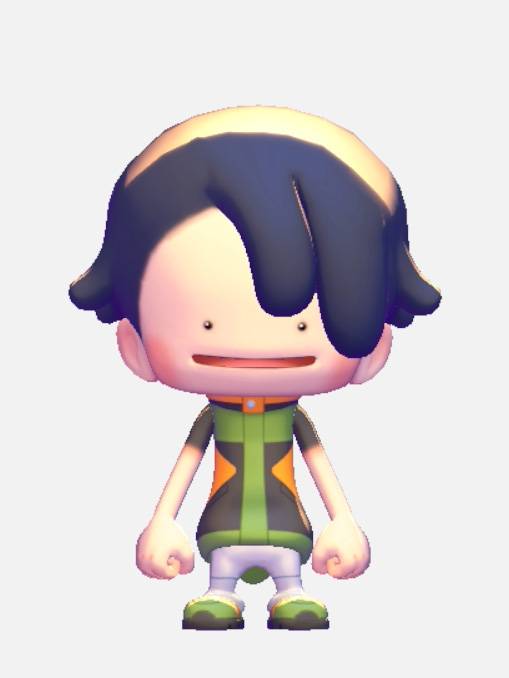
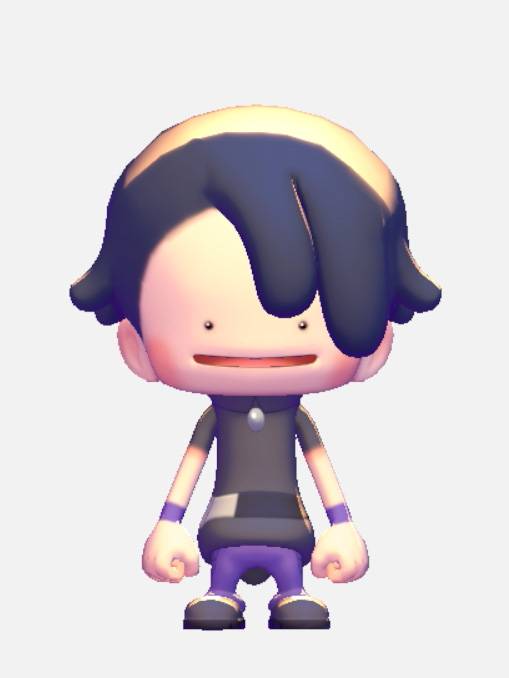
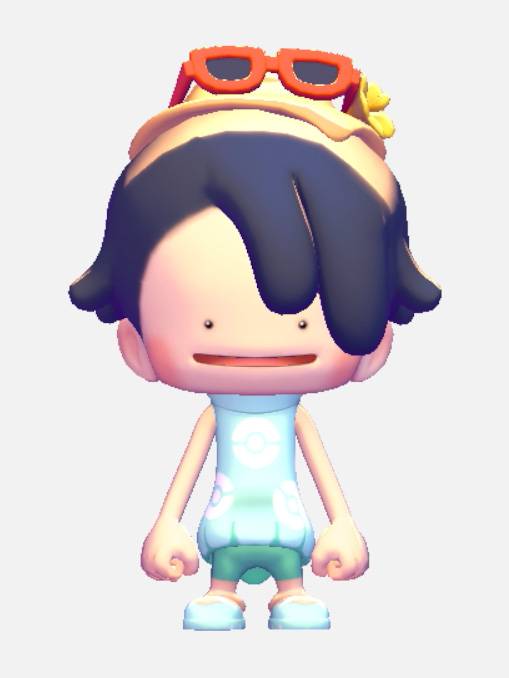
If you want to customize your Ditto in Pokémon Pokopia, you can find outfits and hairstyles around the deserted island to swap in to. Lots of these outfits will look familiar, as they're based off of gym leaders and trainers from previous games.
… %!s()
All cosmetics are found as some of the "human records" around the island. They may appear as magazines, tablets, books, or newspapers that have a yellow sparkle on the ground. Interact with them and you'll get these outfits added to your collection.
Once you find and unlock an outfit, you can use the pieces separately, too. This means you can mix-and-match the Team Rocket hat with the Super Nerd button-up, if you'd like. Just interact with a mirror, and you'll be able to swap your look to whatever you want.
Notably, there are some cosmetics you can find in set locations on the main island in Pokopia, but some can only be found on the randomized Dream Islands. We've separated the two into sections below.
Here's where to find the various outfits and hairstyles in Pokémon Pokopia.
Update (Aug. 6): We've updated this guide with a list of the outfits and hairstyles we've found so far as part of the Bubbly Basin DLC. We're still missing one, but we'll update this guide when we can find it.
Where to find outfits and hairstyles in Pokopia
There are a few cosmetics you can find around the main areas in Pokopia. The cosmetics found as part of the Bubbly Basin DLC are marked as such.
Cosmetic
Appearance
Location
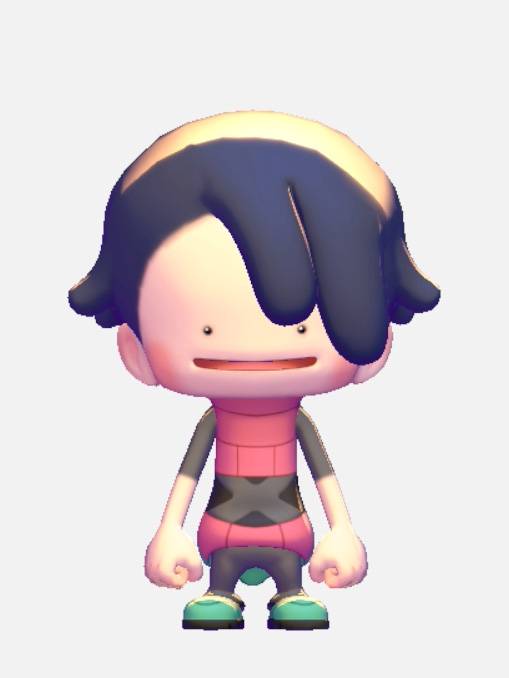
Team Rocket outfit
To find this book, head to the northwest island in Sparkling Skylands. You'll need to enter this building from the top and climb down the metal stairs.
Rock-solid outfit
Finding this one can be tricky. You'll need to go into the mines from the entrance you meet DJ Rotom in Rocky Ridges. Head forward until you find a lava-filled room. Drop down in the opening in the middle so that you land through the stone arch. Keep going forward and then take the ladders up until you find this book on the floor.
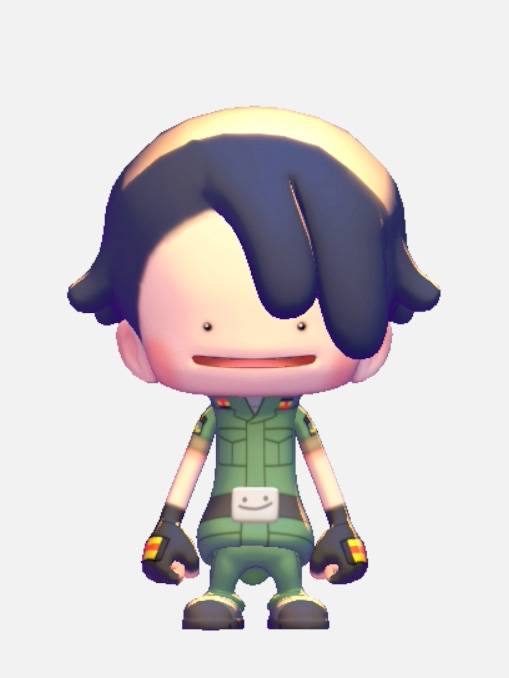
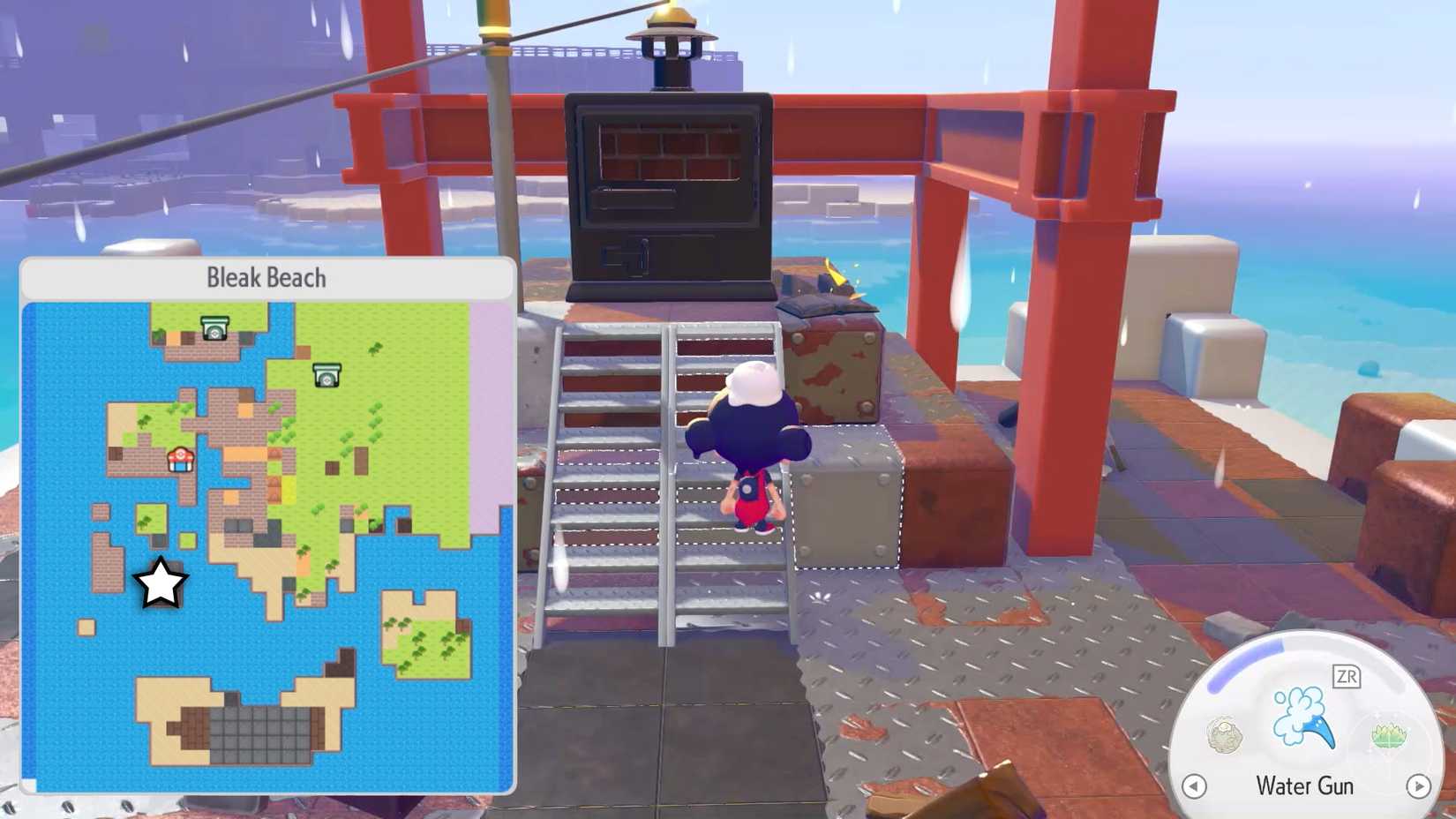
Ranger outfit
This one is right next to the furnace in the industrial ruins in Bleak Beach.
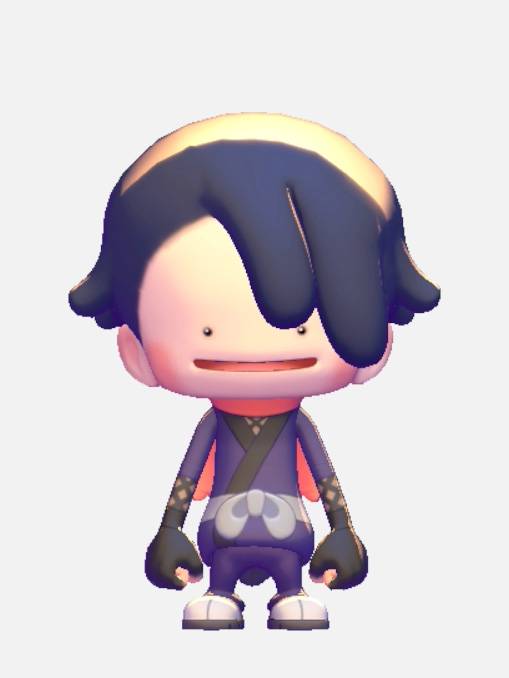
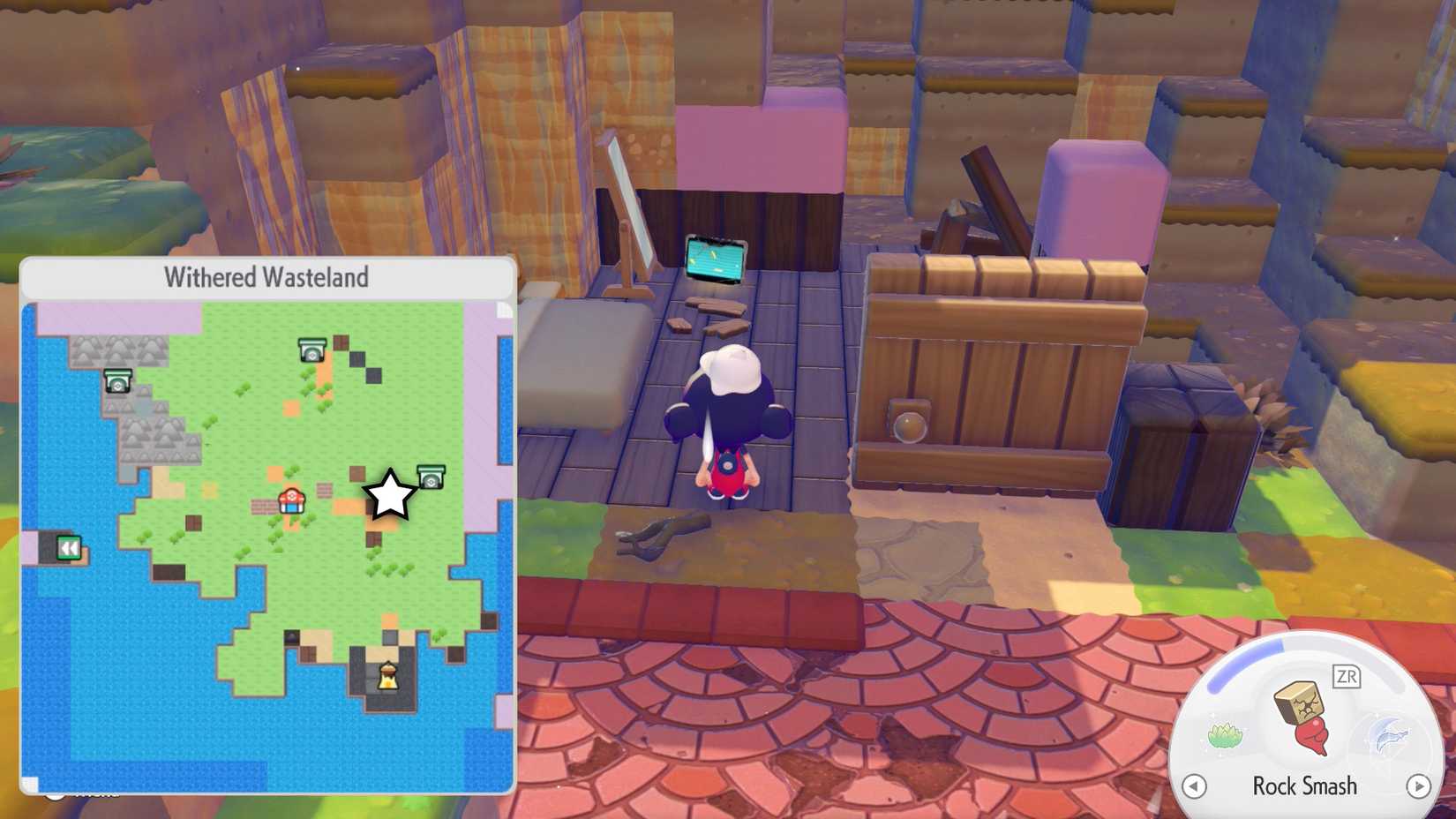
Ninja outfit
This tablet is inside a ruined home to the east of the Withered Wasteland Pokémon Center.
Psychic Master outfit
This newspaper is in Sparkling Skylands' eastern island, on the floor of the eroded gym.
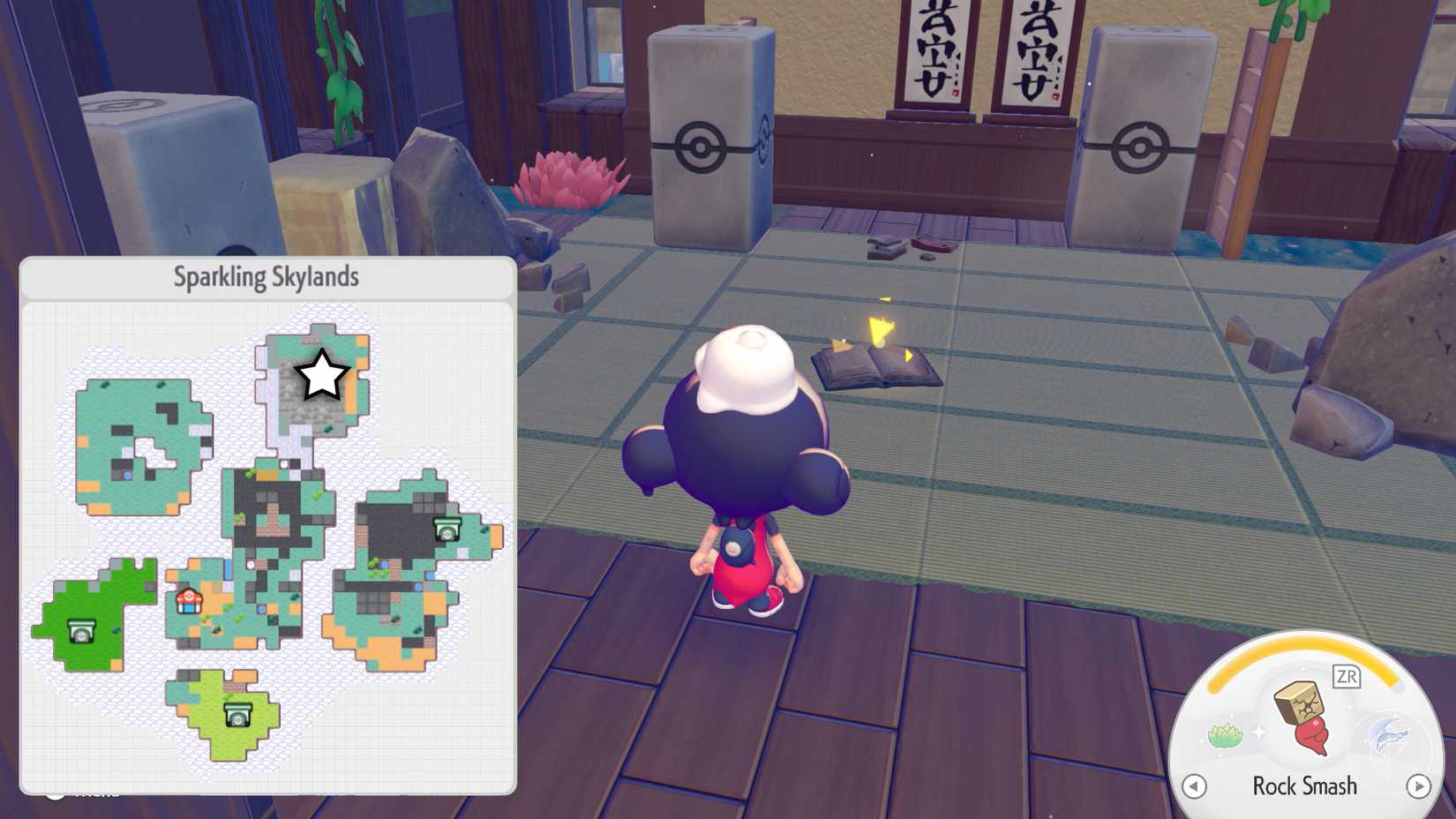
Black Belt outfit
This book is on the ground of the dojo in Sparkling Skylands. You can find the dojo by going up the elevator on the northern island.
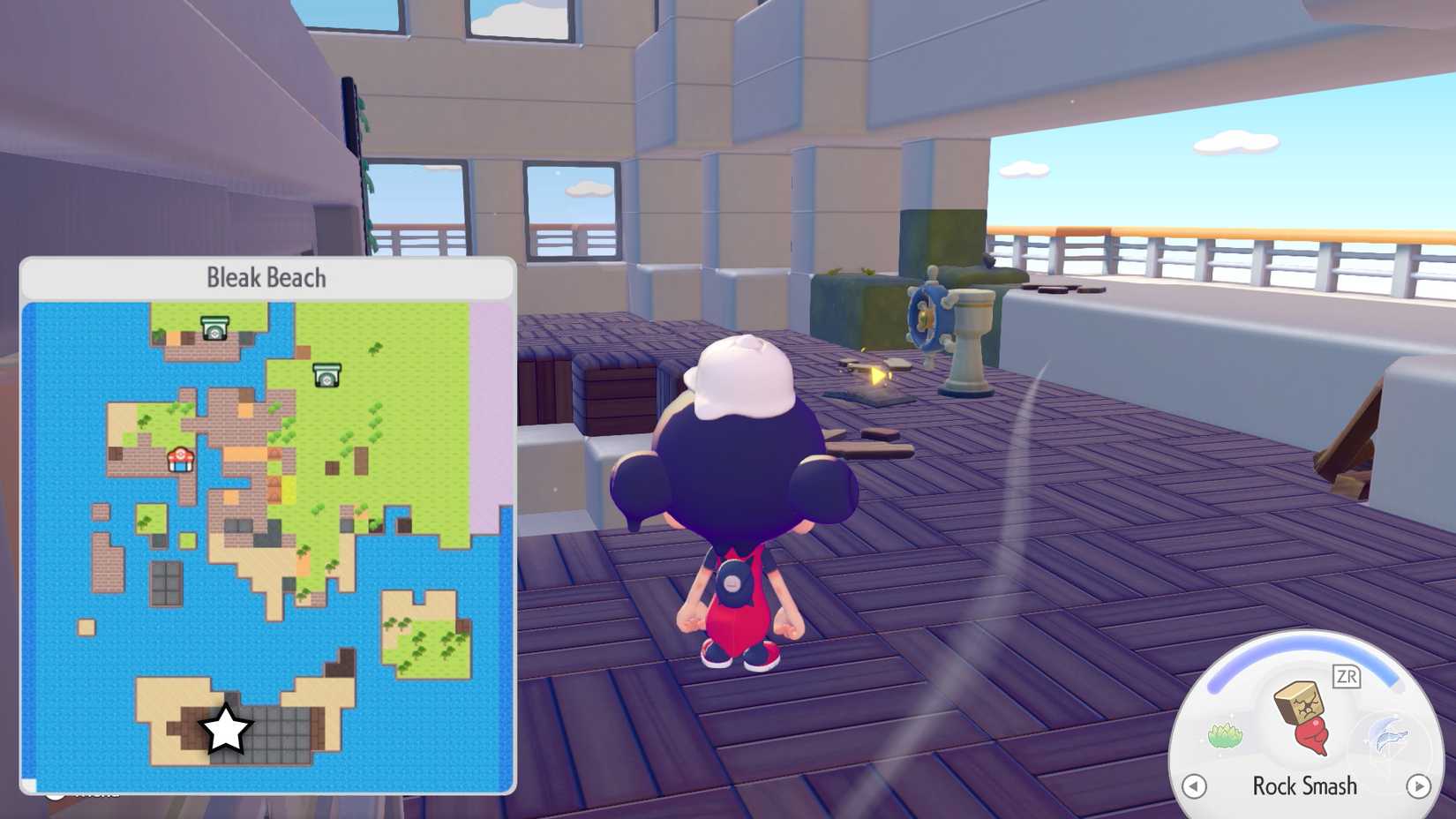
Sailor outfit
This book is on the S.S. Anne in Bleak Beach, in the bridge, where the steering wheel is.
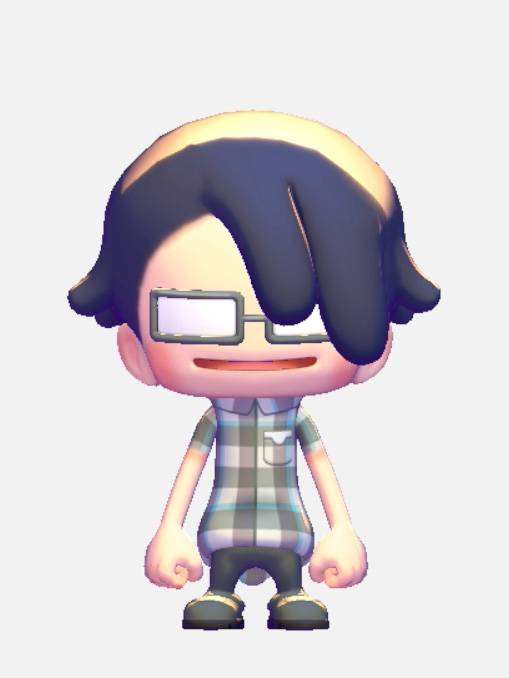
Super Nerd outfit
You can find this book on the path into the mines from the room you initially meet DJ Rotom in Rocky Ridges.
Parted hair
This hairstyle is inside of the cave you free Onix from in the Withered Wasteland.
Mermaid hair
This hairstyle is on top of a cliff overlooking the ruined town to the north of the Pokémon Center in Withered Wasteland.
Mermaid outfit (DLC only)
From the main area in Bubbly Basin, go east, breaking the rocks blocking the path to open up a new area. Go inside the old building to find this on the left.
Preschooler outfit (DLC only)
This letter is on the ground near the preschool, which is directly past the bridge to the north of the main area in Bubbly Basin.
Triathlete outfit (DLC only)
You can find this outfit in northwest of the main Bubbly Basin area, under a gazebo.
Crested hair (DLC only)
This book is inside a cave above water to the east of the main area in Bubbly Basin.
Ponytail (DLC only)
You can find the book above the water, in a broken half of a house on the northern part of Bubbly Basin.
Table graphic credits: Julia Lee/Polygon | Source images: Koei Tecmo, Game Freak/Nintendo, The Pokémon Company via Polygon
Dream Island outfits and hairstyles in Pokopia
There are also outfits and hairstyles you can unlock on Dream Islands. However, Dream Islands are random, and since you can only access one per day, you'll just have to test your luck to unlock them. You can time travel to get faster access to more islands, if you want to hunt for cosmetics faster.
We usually find the cosmetics behind a breakable rock wall inside of caves, in an area with a bookshelf and boxes, so keep your eye out for those breakable, brown rock blocks. Most of the goodies we found in the Bubbly Basin DLC were in these submarine-like structures.
These seem to be somewhat rare, as it took many islands to find all the outfits. (We literally found all the legendary Pokémon on these islands before running into more than four of these outfits.)
Dream Island outfits
Pokémon Center outfit
Roughneck outfit
Bird Keeper outfit
Red outfit
Fresh outfit
Cool outfit
Rascal outfit
Cozy outfit
Sporty outfit
Chic outfit
Professor outfit
Sightseer outfit
Rad outfit (DLC only)
Cheerful outfit (DLC only)
Table image credits: Koei Tecmo, Game Freak/Nintendo, The Pokémon Company via Polygon
Dream Island hairstyles
Curly
Fluffy
Winged pigtails
Sideswept
Simple
Long bangs
Messy short (DLC only)
Side tails (DLC only)
Table image credits: Koei Tecmo, Game Freak/Nintendo, The Pokémon Company via Polygon
If you're starting out in Pokémon Pokopia, we have guides to help you spruce up your island. We have both a Pokédex and Habitat Dex to assist in figuring out what can spawn where, and what you need to build to summon your favorite creatures. If you're feeling overwhelmed, you can also check out our beginner's guide for some early tips and tricks to help smooth out your journey.
We also have walkthroughs for the important requests that progress the story: "Yawn up a Storm!," "Brighten Things Up!," "Time to Party!," and "Build the Huge Building!" If you're looking to play with friends, know that there are restrictions for the regular Pokopia multiplayer and for the GameShare version. %!s()